
Your Guide to High-Performance Circular Cutting Blades
Your Guide to High-Performance Circular Cutting Blades
Table of Contents
1. Match Blade Material to Your Workpiece
The core determinant of a circular blade's performance and longevity is its material composition. Using a blade designed for softwood on abrasive composites like MDF or carbon fiber will result in rapid dulling, chipping, and poor finish quality. The material must withstand the specific stresses—abrasion, impact, and heat—of your primary feedstock.
Use the following guide to match blade material to common cutting applications:
| Primary Material Type | Recommended Blade Material | Key Benefit |
|---|---|---|
| Softwoods, Plywood, Non-Abrasive Plastics | Premium Alloy Tool Steel (e.g., D2, SKD-11) | Offers an excellent balance of toughness and wear resistance for sharp, clean cuts in continuous processing. |
| Hardwoods, Laminated Boards, Aluminum | Tungsten Carbide-Tipped (TCT) | Carbide tips provide extreme hardness and heat resistance, maintaining a sharp edge far longer than steel when cutting dense or semi-abrasive materials. |
| MDF, Particleboard, Fiberglass, Reinforced Composites | Solid Carbide or Micro-Grain Carbide Blades | Delivers superior wear resistance against highly abrasive materials, minimizing edge degradation and ensuring consistent cut quality over extended periods. |
| Mixed Material Streams, Contaminated Wood | Coated Tool Steel (e.g., TiAlN, CrN) | A hardened coating reduces friction, resists material adhesion (gumming), and enhances the base steel's resistance to heat and corrosion. |
Tip: Always assess for contaminants like sand, nails, or glue in your material stream. These dramatically increase abrasiveness. For a deep dive into material science, explore our comprehensive blade materials classification resource.
2. Optimize Blade Geometry for Cutting Action
Beyond material, the blade's geometry—its tooth design, hook angle, and gullet—dictates how it engages, shears, and clears material. An incorrect geometry can cause burning, tear-out, and excessive power consumption.
Tooth Configuration: A high tooth count (e.g., 80-100 teeth) yields a smoother, finer finish but cuts slower. A low tooth count (e.g., 24-40 teeth) provides aggressive, fast cuts but leaves a rougher edge. For composites, a specialized triple-chip grind (TCG) tooth design is often best, as it shears through abrasive layers without fracturing the material.
Hook & Rake Angle: A positive hook angle (15°-20°) pulls material in aggressively for faster ripping. A lower or negative hook angle (-5° to 5°) provides more control, reduces splintering on veneers, and is safer for cutting composites and non-ferrous metals. Our industrial circular blade guide details how to select the perfect angle for your application.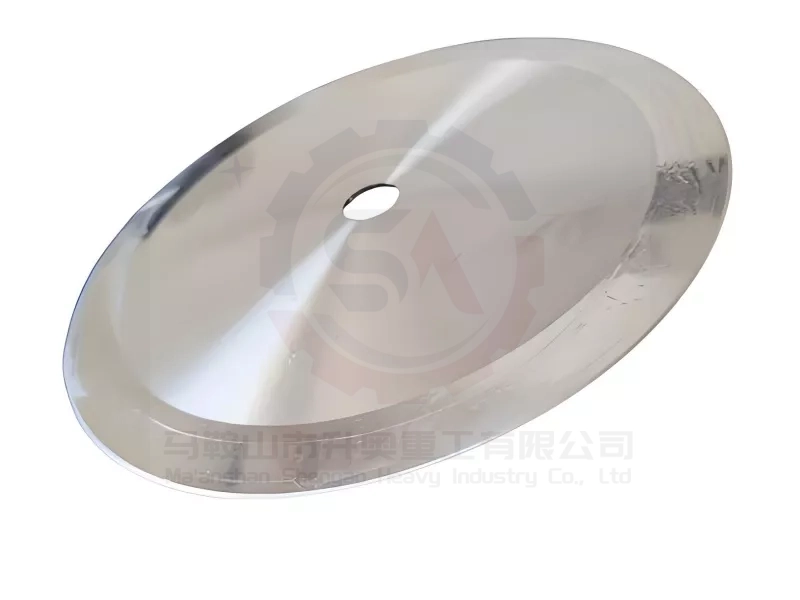
3. Ensure Machine Compatibility and Precision
A high-performance blade is rendered ineffective if it isn't perfectly matched to your machine. Incorrect dimensions or poor mounting lead to vibration, inaccurate cuts, and potential safety hazards.
Exact Specifications: You must know your machine's arbor size (bore diameter), blade diameter, maximum RPM rating, and the precise width of the cut (kerf). Never force a blade onto an arbor that is too large or use one rated for a lower RPM than your machine operates.
Precision Balancing & Runout: A quality blade from ShengAo is dynamically balanced to minimize vibration at high speeds. Excessive runout (wobble) causes uneven cuts, accelerates wear, and stresses spindle bearings. Precision-ground blades ensure a perfect fit and smooth operation from the first cut.
4. Adopt a Proactive Maintenance Routine
Waiting for a blade to fail completely is the most expensive approach. Proactive care maximizes uptime, ensures cut quality, and protects your investment.
Regular Cleaning & Inspection: Resin, pitch, and material residue can build up on teeth, causing overheating and friction. Establish a schedule for cleaning with appropriate solvents. Regularly inspect for chipped teeth, uneven wear, or signs of dulling.
Professional Sharpening: High-quality tungsten carbide-tipped blades can be professionally sharpened multiple times. The key is to sharpen them before excessive wear damages the carbide tip's base structure. ShengAo offers expert technical support on optimal sharpening intervals and techniques.
Proper Storage: Store blades in a dry, organized environment using blade protectors to prevent nicks and corrosion on the cutting edge.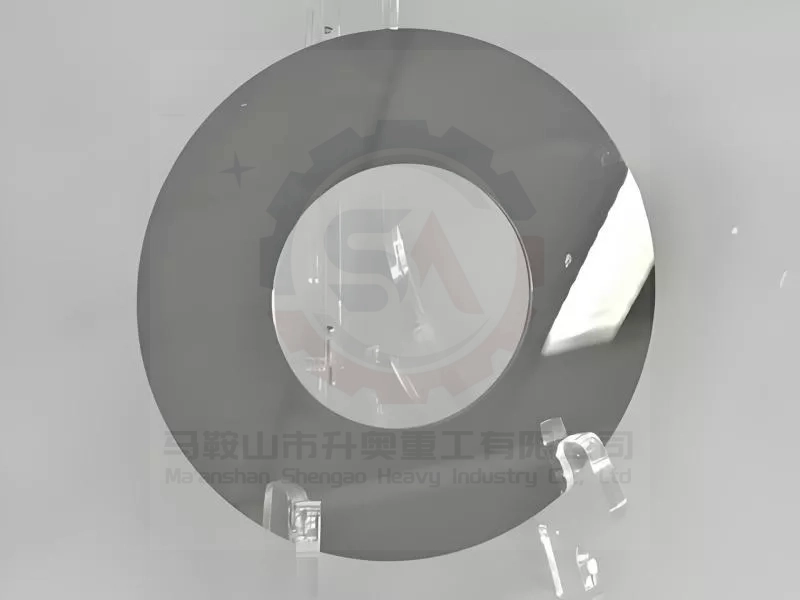
5. Calculate Total Cost of Ownership (TCO)
The cheapest blade often has the highest long-term cost. Evaluate blades based on Total Cost of Ownership, which includes purchase price, lifespan, sharpening frequency, and performance impact.
Lifespan & Consistency: A premium ShengAo circular blade may have a higher initial cost but can last 300% longer than a budget option while maintaining pristine cut quality. Calculate the cost per linear foot of cut material for a true comparison.
Reduced Downtime & Waste: Every unscheduled blade change halts production. A durable blade and planned maintenance minimize this. Furthermore, a sharper, precision blade produces less waste from faulty cuts, directly improving your material yield and profitability.
Expert Partnership: Choosing a manufacturer like ShengAo means access to engineering support, reliable warranties, and consistent quality. We help you select the right blade from our extensive application-specific range, ensuring your operation runs smoothly.
Final Cut
Selecting the right high-performance circular blade is a strategic decision that directly impacts your shop's output, quality, and bottom line. By meticulously matching blade material to your workpiece, selecting the optimal geometry, ensuring perfect machine compatibility, practicing proactive maintenance, and analyzing total cost, you can transform your cutting process. The goal is not just to cut material, but to cut costs, waste, and downtime. For a tailored recommendation for your specific machine and material, contact the ShengAo engineering team today.