
Why Your Choice of Granulator Blades Impacts Efficiency and Cost
Why Your Choice of Granulator Blades Impacts Efficiency and Cost
Table of Contents
The Core Connection: Blade Choice Directly Affects Your Bottom Line
Are your granulation costs higher than they should be, or is your throughput not meeting targets? The answer often lies not with the machine itself, but with the Granulator Blades at its heart. This definitive guide cuts through the noise to explain how your specific blade selection is the single most critical factor influencing operational efficiency, energy consumption, and total maintenance costs. We will detail how the right blades maximize throughput by ensuring clean, consistent cuts, reduce power draw by minimizing friction and resistance, and extend service life to slash downtime and replacement frequency. By understanding the engineering behind blade performance, you can transform your granulation process from a cost center into a model of efficiency, achieving maximum savings and superior output quality.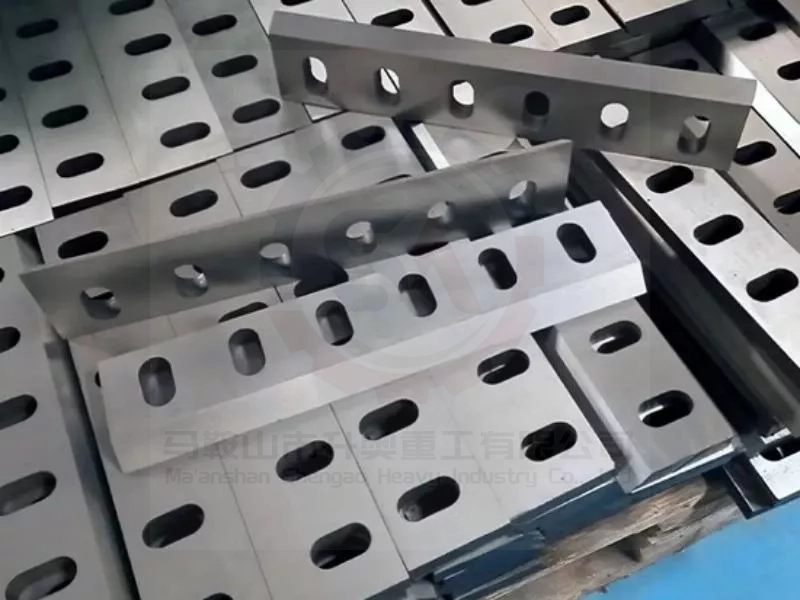
Material Matrix: Matching Blade Properties to Your Feedstock
The efficiency of granulation is a direct function of how well the blade interacts with the material. Using a blade designed for soft PP on glass-filled nylon, for example, leads to rapid wear, high energy use, and poor particle quality. The correct material and geometry prevent these losses. The following table outlines how strategic blade selection addresses the unique challenges of common feedstocks to optimize efficiency and cost.
| Material Category | Common Applications & Challenges | Recommended Blade Material & Features | Efficiency & Cost Benefit |
|---|---|---|---|
| Polyolefins (PP, PE, HDPE) | Containers, household goods, pipes. Tough, can be abrasive. | Premium D2/SKD-11 tool steel for balance of wear resistance and toughness. | Consistent cut quality maintains high throughput; long life reduces cost per ton. |
| Engineering Plastics (ABS, Nylon, PC) | Automotive parts, electronic housings. Often glass-filled, highly abrasive. | Tungsten Carbide tipped or inlaid blades for extreme abrasion resistance. | Dramatically extends sharpness life under abrasive conditions, minimizing downtime and blade replacement costs. |
| Plastic Film & Fibers | Stretch wrap, bags, textiles. Lightweight, prone to winding and melting. | Specialized geometry with polished surfaces and sharp edges; often HSS or coated steels. | Prevents material wrapping, ensures clean cuts, reduces energy waste from friction and jamming. |
| PVC & Other Sensitive Polymers | Profiles, cables, fittings. Heat-sensitive, can degrade if overheated during cutting. | Blades with optimized geometry for clean shearing, reducing friction-induced heat. | Maintains material integrity, produces uniform regrind, and prevents costly degradation of feedstock. |
| Mixed or Contaminated Streams | Post-consumer recyclables, e-waste plastics. May contain impurities, metals, or dirt. | High-toughness steels like H13 or specially hardened alloys resistant to chipping and impact. | Withstands unpredictable contaminants, prevents catastrophic blade failure, ensures reliable uptime in challenging operations. |
Selecting the optimal material is just the start. For a complete analysis, consult our detailed plastic granulator blade materials guide.
Critical Selection Factors Beyond Material
While material compatibility is paramount, three other engineering factors crucially impact efficiency and cost. First, blade geometry and sharpening angle determine the cutting action. A sharper angle provides a cleaner cut on brittle materials but may dull faster on tough ones. The helix angle on rotor blades affects how material is fed and cut, directly influencing throughput and power consumption. Second, heat treatment and hardness (HRC) must be precisely calibrated. Blades that are too hard may chip; too soft will wear rapidly. At ShengAo, our controlled heat treatment processes, detailed in our blade materials classification, ensure each blade achieves the perfect balance of hardness and toughness for its intended duty.
Finally, precision grinding and balance are non-negotiable. Even the best steel underperforms if blades are not ground to micron-level precision and balanced as a set. Imbalanced or inconsistently ground blades cause uneven wear, excessive vibration, higher energy use, and poor granulate quality. This meticulous attention to manufacturing detail is what separates a simple replacement part from a true performance upgrade. Partnering with a dedicated industrial blade manufacturer ensures all these factors are harmonized for your specific application.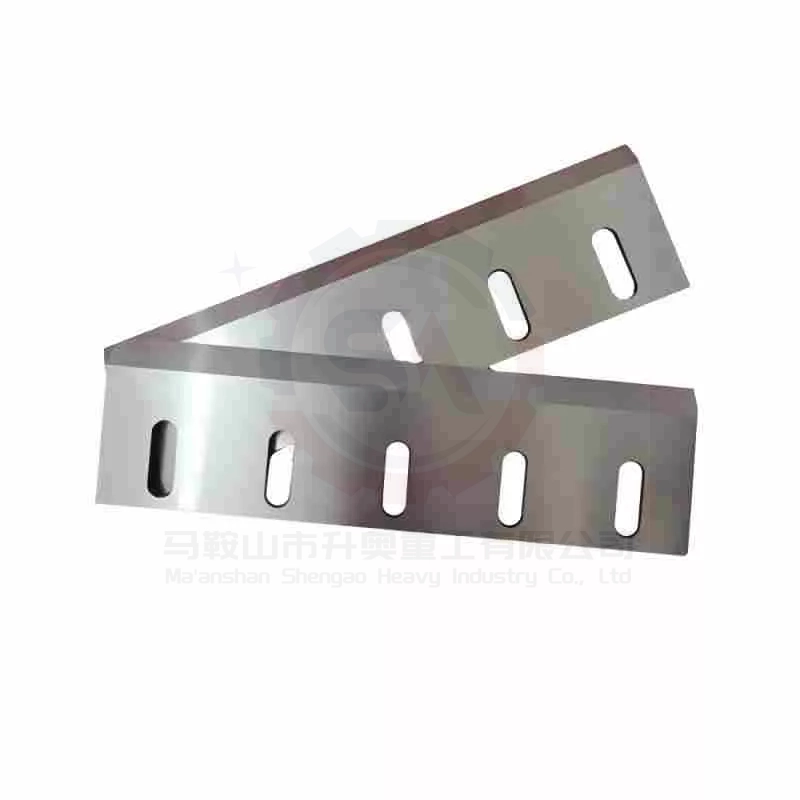
ShengAo Precision: Engineering Blades for Optimal Cost-Per-Cut
At ShengAo, we view every granulator blade as a critical component in your profitability equation. Our engineering approach begins with a deep analysis of your material, machine model, and production goals. We don't just sell blades; we prescribe solutions. By selecting from our range of advanced materials—from through-hardened tool steels to specialized carbide composites—and applying CNC precision grinding to create the ideal edge geometry, we engineer blades that cut cleaner, last longer, and run smoother.
The result is a measurable improvement in your operational metrics: higher throughput of consistent, high-quality granules, reduced amp draw on your motor, and extended intervals between maintenance or sharpening. This translates directly to a lower cost-per-processed-ton and a stronger competitive edge. Stop letting suboptimal blades limit your efficiency and inflate your costs. Contact the ShengAo engineering team today for a consultation. Let us demonstrate how our application-specific granulator blade solutions can be the most impactful investment you make for your recycling or manufacturing operation's efficiency and bottom line.