
What Makes a High-Quality Plastic Granulator Blade?
What Makes a High-Quality Plastic Granulator Blade?
Table of Contents
Introduction: The True Cost of a Blade
When you invest in a Plastic Granulator Blade, are you paying for steel or for performance? A high-quality blade is more than a cutting tool—it's a critical component that determines your recycling line's uptime, energy consumption, and final product quality. This article unveils the key features that separate premium blades from ordinary ones: durability to withstand abrasive materials, sharpness that ensures clean cuts, and the right material engineered for your specific application. Understanding these factors helps you move beyond upfront cost to achieve a lower cost per ton and higher efficiency.
Core Attributes of a Premium Granulator Blade
What exactly defines a high-quality blade? It's a combination of factors that work together to deliver consistent, long-lasting performance. First, wear resistance is paramount—the blade must maintain its cutting edge against the constant abrasion of plastics like glass-filled nylon or PET. Second, toughness ensures the blade can withstand impact without chipping when encountering contaminants or thick-walled parts. Finally, precision geometry guarantees a clean shear cut, reducing fines and energy consumption. A blade that excels in these areas will dramatically reduce your frequency of blade changes and improve the consistency of your regrind. For a deeper look at different blade types, explore our industrial blade types overview.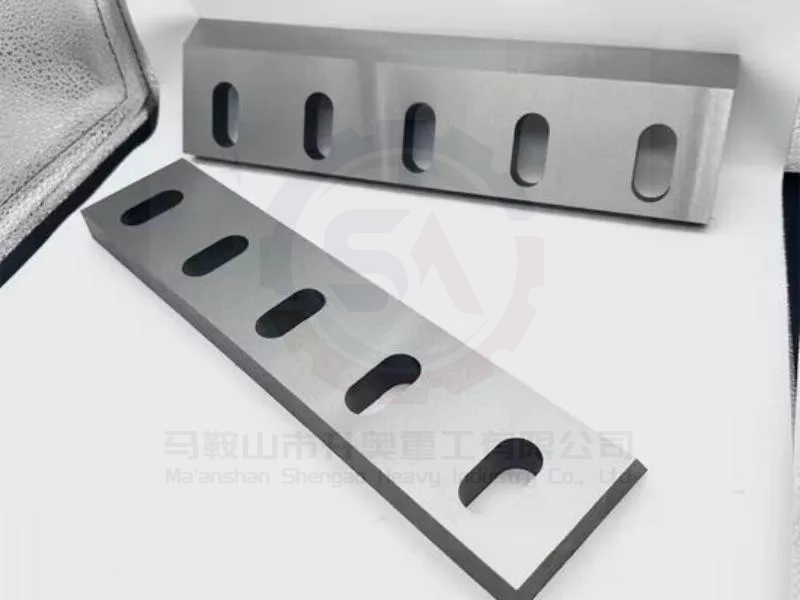
Material Matters: From Tool Steel to Carbide
The heart of any high-quality Plastic Granulator Blade is its material. Premium blades are crafted from specially formulated tool steels like D2, SKD-11, or high-speed steels (HSS), each offering a unique balance of hardness and toughness. For extremely abrasive applications, tungsten carbide-tipped (TCT) blades or full carbide inserts provide unmatched wear life, lasting up to 20 times longer than standard steel. The table below illustrates common material choices and their typical applications. For more detailed information, refer to our plastic granulator blade materials guide.
| Material Grade | Hardness (HRC) | Best Suited For | Key Benefit |
|---|---|---|---|
| D2 / SKD-11 | 58-62 | General rigid plastics (HDPE, ABS, PP) | Good wear resistance & toughness |
| High-Speed Steel (HSS) | 62-65 | Engineering plastics, thin film | Excellent hot hardness, edge retention |
| Tungsten Carbide Tipped | ~78-82 HRA | Glass-filled, mineral-filled, highly abrasive materials | Extreme wear resistance, long intervals |
| H13 Tool Steel | 48-52 | High-impact, contaminated streams | Superior toughness, crack resistance |
Precision Geometry: The Edge of Efficiency
Even the best material will underperform if the blade geometry is flawed. High-quality blades are CNC ground to exacting tolerances, ensuring a consistent cutting angle and perfectly flat mounting surfaces. This precision guarantees that the blade mates correctly with the rotor and bed knife, creating a scissor-like shear that cuts cleanly rather than tearing. Proper clearance angles reduce friction and heat buildup, which are primary causes of edge dulling. Moreover, the surface finish—often mirror-polished on premium blades—minimizes material adhesion, preventing clogging and maintaining throughput. Understanding crusher blade classification can further help you appreciate the importance of geometry.
How Blade Quality Boosts Your Recycling ROI
Investing in superior Plastic Granulator Blade materials and geometry translates directly to operational savings. High-quality blades stay sharper longer, reducing the frequency of downtime for changeovers. They consume less energy because clean cuts require less motor torque. They produce more uniform regrind with fewer fines, which improves downstream processing (e.g., extrusion). And they extend the life of the granulator itself by reducing vibration and stress on bearings. In short, a premium blade pays for itself many times over through increased uptime and lower total operating costs. For real-world examples, browse our solutions and success stories.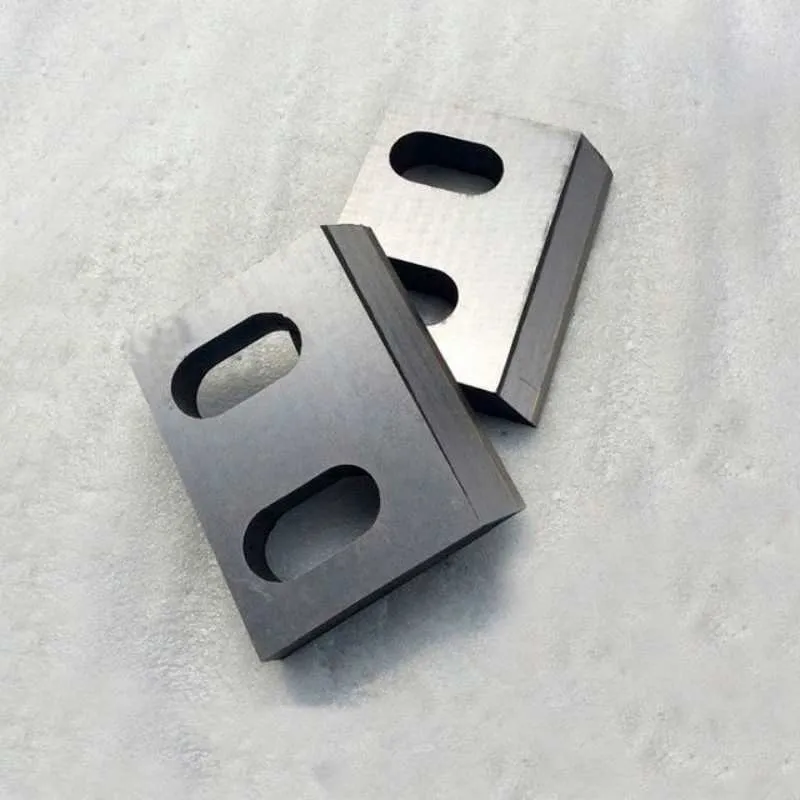
ShengAo: Engineering Excellence in Every Blade
At ShengAo, we don't just manufacture blades—we engineer cutting solutions. Our plastic granulator blades start with the optimal material selection, whether it's premium D2 tool steel or advanced tungsten carbide grades. We employ multi-stage heat treatment processes to achieve the perfect hardness/toughness balance, followed by precision CNC grinding that ensures micron-level accuracy. Each blade undergoes rigorous quality control to guarantee that it meets your exact specifications. The result is a blade that delivers consistent performance, extended lifespan, and unmatched value. Partner with ShengAo to experience the difference that true quality makes in your recycling operation. Contact our team today to discuss your application and discover how our blades can transform your efficiency.