
Top 10 Materials of Circular Blades You Need to Consider
Top 10 Materials of Circular Blades You Need to Consider
Table of Contents
Why Your Circular Blade Material Choice is Critical
Selecting the optimal material for your circular blades is not a minor detail—it's a fundamental decision that dictates the success of your cutting operation. The right material directly impacts cut quality, operational efficiency, production downtime, and your overall cost-per-cut. This guide is designed to cut through the complexity. We will detail the top 10 materials used in high-performance circular blade manufacturing, explaining their unique properties, ideal applications, and how they can solve specific production challenges. Whether you're slicing paper, shredding plastic, or cutting metal, understanding these materials empowers you to maximize blade lifespan and machine efficiency.
Top 10 Materials for Circular Blades
1. High-Speed Steel (HSS)
Key Traits: Excellent toughness, good heat resistance, cost-effective for many tasks.
Best For: General-purpose slitting of paper, cardboard, textiles, and certain plastics. A versatile choice for many circular blade applications where extreme wear resistance isn't the primary concern. HSS blades offer a reliable balance and can be re-sharpened multiple times.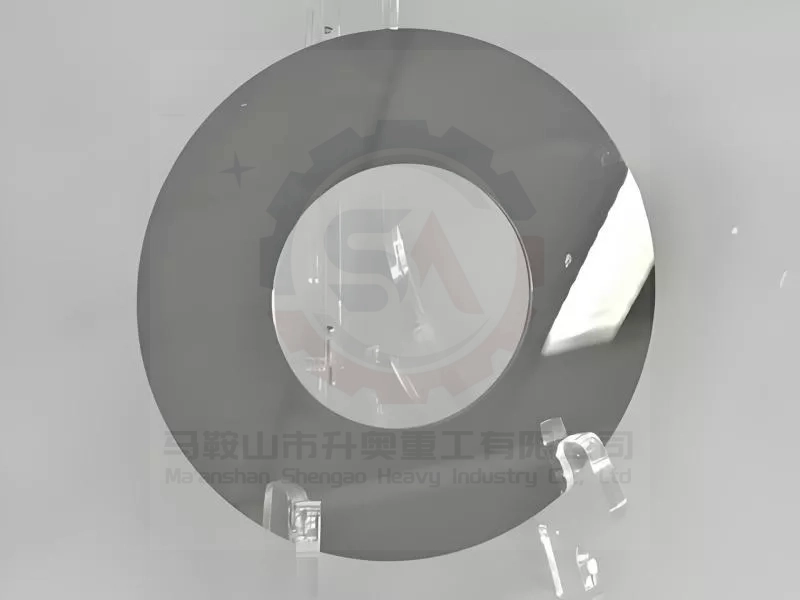
2. Tool Steels (D2, A8, O1)
Key Traits: High hardness, good wear resistance, and better impact toughness than HSS.
Best For: Heavier-duty cutting, including shredder blades for lighter materials, non-abrasive plastics, and rubber. Grades like D2 are popular for their high carbon and chromium content, providing a durable edge for consistent cutting in demanding factory environments.
3. Powder Metallurgy (PM) Steels
Key Traits: Exceptional uniformity, superior edge retention, and enhanced toughness.
Best For: Precision slitting where a consistent, burr-free edge is paramount. Ideal for high-quality paper, films, foils, and food-grade cutting applications. The fine, homogeneous structure of PM steel resists micro-chipping, ensuring a longer period of peak performance.
4. Coated Blades (TiN, TiAlN, CrN)
Key Traits: A wear-resistant coating applied to a tough base material (like HSS or tool steel).
Best For: Extending the life of standard blades. Coatings reduce friction, resist adhesion (critical in plastic or adhesive tape cutting), and allow for higher operating speeds. They are a cost-effective upgrade for combating abrasive wear without moving to a premium solid material.
5. Tungsten Carbide (Solid)
Key Traits: Extreme hardness and wear resistance, maintaining a sharp edge up to 10x longer than steel.
Best For: Slitting abrasive materials like fiberglass, carbon fiber, reinforced plastics, and printed materials. Essential for high-volume production where blade change downtime is a major cost factor. While brittle, proper design mitigates chipping risks.
6. Carbide Tipped (Brazed Tips)
Key Traits: Combines the wear resistance of carbide at the cutting edge with the toughness and cost-efficiency of a steel body.
Best For: A wide range of professional cutting blades for wood, composite panels, and non-ferrous metals. Common in saw blades and heavy-duty slitters. This construction offers an excellent balance, providing a long-lasting cutting edge without the full cost of a solid carbide blade.
7. Ceramic (Zirconia, Alumina Oxide)
Key Traits: Exceptional heat and corrosion resistance, maintains hardness at high temperatures.
Best For: Specialized applications involving high temperatures or highly corrosive materials. Used in certain textile and food processing lines where steel blades would degrade quickly. Their lightweight nature also reduces inertia for high-speed applications.
8. Cubic Boron Nitride (CBN)
Key Traits: Second hardest material available, specifically designed for cutting ferrous metals.
Best For: Precision machining and cutting of hardened steels. While less common in large-diameter slitting, CBN segments or tips are used on specialty circular blades for cutting steel wire, springs, or other hardened metal forms where other materials would fail instantly.
9. Polycrystalline Diamond (PCD)
Key Traits: The ultimate in hardness and wear resistance for non-ferrous materials.
Best For: Cutting highly abrasive non-metallics like carbon fiber composites, fiberglass, graphite, and filled plastics. PCD-tipped circular blades are the gold standard in industries requiring extreme edge life and minimal dust generation from a consistently sharp edge.
10. Special Alloy Steels (e.g., for Food/Medical)
Key Traits: High corrosion resistance, ability to hold a sterile edge, and compliant with industry regulations.
Best For: Pharmaceutical, medical device, and food processing applications. Often made from high-chromium stainless steels or specialized alloys that resist rust and bacterial growth, ensuring product purity and safety.
Circular Blade Material Comparison Chart
| Material | Wear Resistance | Toughness/Impact | Heat Resistance | Best Application Fit |
|---|---|---|---|---|
| High-Speed Steel (HSS) | Medium | High | Medium | Paper, Cardboard, General Textiles |
| Tool Steel (D2) | Medium-High | Medium-High | Medium | Plastics, Rubber, Light Shredding |
| Powder Metallurgy Steel | High | High | High | Precision Films, Foils, Food Packaging |
| Coated HSS/Tool Steel | High | High (Base Material) | High | Extended Life for General Cutting |
| Tungsten Carbide (Solid) | Very High | Low (Brittle) | Very High | Abrasive Composites, Fiberglass |
| Carbide Tipped | Very High (Edge) | High (Body) | High | Wood, Non-Ferrous Metals, Laminates |
| Ceramic | High | Low | Extreme | High-Temp/Corrosive Environments |
| CBN | Extreme (on Ferrous) | Medium | Extreme | Hardened Steels, Spring Steel |
| PCD | Extreme (on Non-Ferrous) | Medium | High | Carbon Fiber, Advanced Composites |
| Stainless Alloys | Medium | Medium-High | Medium | Food, Medical, Hygienic Cutting |
Finding the Sweet Spot: Cost vs. Performance
The most expensive material isn't always the right choice. The goal is to match the blade's capability to your specific material and production demands.
- Entry-Level / Cost-Sensitive: HSS and Standard Tool Steels are ideal for light to medium duty, non-abrasive materials where frequent sharpening is acceptable.
- Mid-Range / Balanced Performance: Powder Metallurgy Steels and Coated Blades offer significantly longer life and better cut quality for high-volume operations, reducing changeover frequency and waste.
- High-End / Maximum Uptime: Solid Carbide, PCD, and CBN are for abrasive, difficult, or high-precision materials. The high initial investment is justified by vastly extended life, consistent quality, and minimized production stoppages.
Pro Tip: The best way to optimize is through testing. Partner with an expert manufacturer like ShengAo to analyze your needs and trial samples. Consider the total cost of ownership, not just the purchase price.
Final Recommendations for Your Operation
Choosing the right circular blade material is a strategic investment in your productivity. By understanding the properties outlined in this guide, you can make an informed decision that reduces waste, improves product quality, and lowers long-term operational costs.
For optimal results:
- Clearly define the material you are cutting, including its abrasiveness and thickness.
- Evaluate your production volume and acceptable downtime for blade changes.
- Consult with a technical specialist to review your application.
- Request sample blades for real-world testing in your facility.
At ShengAo, we provide more than just blades—we provide cutting solutions. Our engineers can help you navigate this selection process and manufacture the perfect circular blade for your unique challenges. Contact our team today for a professional consultation.