
Optimizing Your Metal Recycling Process: From Sheet Metal Machinery to Powerful Shredding
Optimizing Your Metal Recycling Process: From Sheet Metal Machinery to Powerful Shredding
1. Table of Contents
- Introduction
- The Hidden Cost of Scrap in Metal Fabrication
- The Missing Link: Connecting Fabrication to Size Reduction
- The Heart of the Shredder: Choosing the Right Blades
- A Partnership for Leaner, Greener Operations
- Product Showcase: Industrial Shredding Solutions
- Implementation & Maintenance Guide
- Frequently Asked Questions (FAQ)
- Conclusion
Introduction
For metal fabricators, investment in precision machinery like CNC press brakes and hydraulic shearing machines is a given. But what happens to the metal off-cuts and scrap left over after the bending and cutting is complete?
Often, this valuable scrap becomes a logistical challenge. Optimizing your metal recycling process is not just about sustainability; it's a direct path to increasing profitability. This article explores the seamless journey of metal—from being shaped by advanced sheet metal bending machines to being efficiently reduced by powerful industrial shredders.
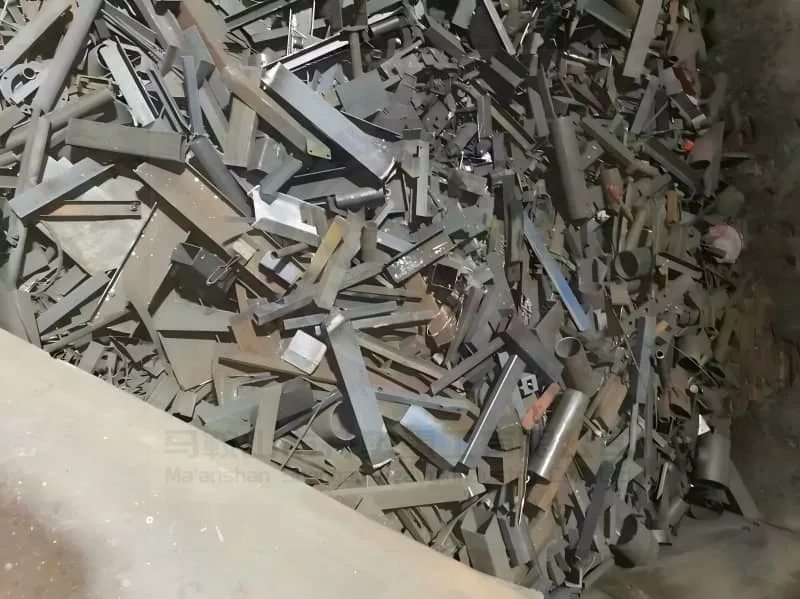
The Hidden Cost of Scrap in Metal Fabrication
The precision cutting performed by a power shearing machine and the intricate bends made by a press brake inevitably generate waste. This scrap metal represents significant hidden costs that impact your bottom line:
- Space Utilization: Occupies valuable factory floor space that could be used for production
- Transportation Expenses: Bulky, low-density scrap is expensive to transport to recycling facilities
- Value Degradation: Unprepared scrap loses value compared to properly processed material
- Storage Costs: Requires dedicated storage areas with proper handling equipment
An unoptimized scrap handling process can silently eat into the profits earned by your high-performance fabrication equipment. Studies show that inefficient scrap management can reduce overall profitability by 8-15% in metal fabrication operations.
The Missing Link: Connecting Fabrication to Size Reduction
The most effective way to handle this scrap is to view it as the first step in a new cycle—the recycling loop. After your sheet metal machinery has finished production, the scrap should be fed directly into an industrial shredder. This completes the journey from fabrication to recycling.
Transportation Cost Reduction
Shredding transforms bulky, hard-to-handle scrap into small, uniform chips that are 3-5 times denser than unprepared scrap. This density increase allows you to fit more weight into each truckload, reducing transportation costs by 40-60%.
Increased Melting Efficiency
Steel mills and foundries prefer shredded material because it melts faster and more uniformly. Shredded chips have higher surface area-to-volume ratios, leading to 25-35% faster melting times and often commanding premium prices of 10-20% above unprepared scrap.
Improved Storage & Handling
Shredded chips are easier to store, move, and feed into recycling systems. Their uniform size allows for automated handling systems, reducing labor costs and improving workplace safety.
Shredding Process Demonstration
The Heart of the Shredder: Choosing the Right Blades
The efficiency of your entire recycling operation hinges on one critical component: the shredder blades. Not all blades are created equal, especially when processing tough scrap metal from fabrication shops.
Single-Shaft Shredder Blade Advantages
For metal fabrication scrap, single-shaft shredder blades are often the ideal solution due to their unique benefits:
- High-Torque Performance: Delivers immense power to tear, shear, and reduce thick metal plates
- Durability: Built from premium alloys that resist wear and impact from cutting hardened steel
- Versatility: Handles various scrap types including off-cuts from plate shearing machines
- Customization: Engineered to match specific scrap profiles and production volumes
Premium Material Comparison
| Material | Hardness (HRC) | Best For | Lifespan |
|---|---|---|---|
| H13 Tool Steel | 58-60 | General metal scrap | 6-8 months |
| 42CrMo Alloy | 56-58 | Mixed scrap applications | 8-10 months |
| D2 Tool Steel | 60-62 | Abrasive materials | 10-12 months |
| Tungsten Carbide | 90+ HRA | Extreme applications | 18-24 months |
Custom Blade Engineering
As a specialist manufacturer, we can engineer single-shaft shredder blades to match the specific type and mix of scrap your operations generate. Our customization options include:
- Custom tooth configurations (3-12 claws) based on material characteristics
- Specialized coatings for enhanced wear resistance
- Tailored dimensions to fit specific shredder models
- Material selection optimized for your specific scrap mix
A Partnership for Leaner, Greener Operations
Just as you partner with a reliable hydraulic press brake manufacturer for quality and precision, partnering with a specialist in industrial shredder blades ensures your recycling process is equally efficient. This partnership creates a closed-loop system where nothing is wasted.
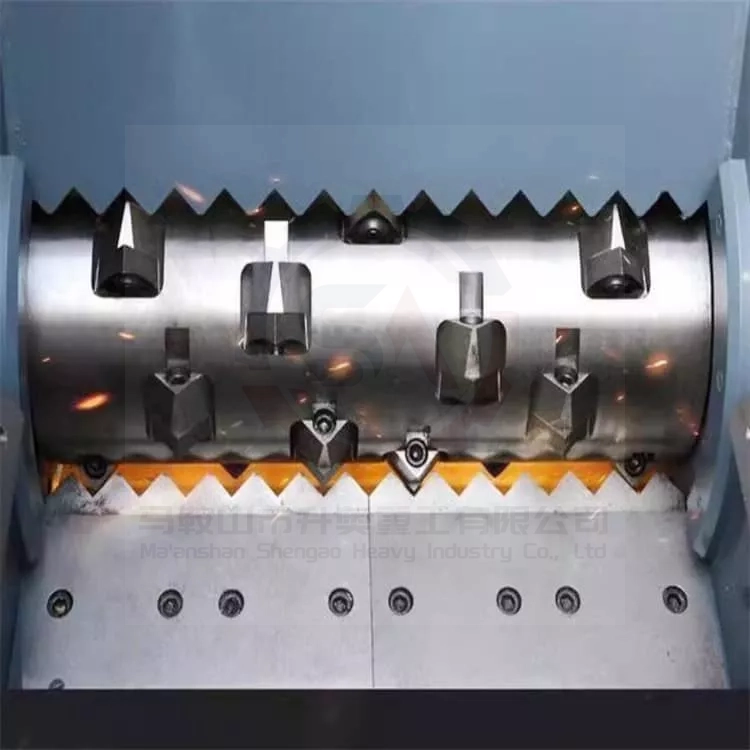
By integrating powerful shredding solutions, you complement the value of your primary sheet metal fabrication equipment, boosting overall operational efficiency and environmental credentials. This integrated approach typically delivers ROI within 12-18 months through:
- Reduced scrap handling and transportation costs
- Higher scrap value from better-prepared material
- Improved operational efficiency and floor space utilization
- Enhanced sustainability credentials
Product Showcase: Industrial Shredding Solutions
Heavy-Duty Single-Shaft Shredders
Ideal for metal fabrication scrap with high-torque cutting action
Premium Tungsten Carbide Blades
Extended lifespan for demanding metal recycling applications
Custom Blade Solutions
Tailored designs for specific scrap types and shredder models
Implementation & Maintenance Guide
Proper implementation and maintenance are crucial for maximizing the benefits of your shredding system.
Proper Installation Procedures
- Follow manufacturer torque specifications for blade mounting
- Ensure proper alignment between rotating and fixed blades
- Verify correct clearance settings (typically 0.1-0.3mm)
- Conduct initial test runs with gradual material feed
Maintenance Best Practices
- Regular blade inspection for wear and damage
- Scheduled sharpening based on operating hours
- Proper lubrication of moving components
- Regular cleaning to prevent material buildup
Troubleshooting Common Issues
| Issue | Possible Cause | Solution |
|---|---|---|
| Excessive vibration | Blade imbalance or wear | Re-sharpen or replace blades |
| Reduced throughput | Dull blades or improper clearance | Adjust clearance or sharpen blades |
| Material jamming | Overfeeding or foreign objects | Clear jam and adjust feed rate |
| Uneven wear | Improper alignment | Realign blades and check mounting |
Frequently Asked Questions (FAQ)
What types of metal scrap are best suited for single-shaft shredders?
Single-shaft shredders excel with various metal fabrication scrap including steel plates, aluminum extrusions, copper wiring, and mixed metal off-cuts. Their high-torque design makes them ideal for dense, irregular-shaped scrap from press brake and shearing operations.
How much can I expect to save on transportation costs by shredding scrap?
Typically, shredding increases scrap density by 3-5 times, reducing transportation costs by 40-60%. For operations generating 100+ tons of scrap monthly, this can translate to annual savings of $50,000-$100,000 depending on haul distances and local rates.
What is the typical ROI period for implementing a shredding system?
Most metal fabrication operations see ROI within 12-18 months through combined savings in transportation, increased scrap value, and improved operational efficiency. High-volume operations may achieve ROI in as little as 6-9 months.
Can your blades handle scrap with mixed materials or contaminants?
Yes, our wear-resistant shredder blades are specifically engineered to handle mixed materials including light contaminants. We can recommend appropriate blade materials and configurations based on your specific scrap profile.
Do you provide installation and maintenance support?
We offer comprehensive technical support including installation guidance, maintenance training, and ongoing technical assistance. Our team can provide remote support or arrange on-site service as needed.
What blade maintenance schedule do you recommend?
Maintenance frequency depends on operating hours and material processed. Generally, we recommend blade inspection every 200-400 operating hours and sharpening every 800-1200 hours for optimal performance.
Conclusion
Optimizing your metal recycling process represents a significant opportunity to enhance profitability and sustainability in metal fabrication operations. By integrating powerful shredding solutions with your existing sheet metal machinery, you transform scrap from a cost center into a streamlined revenue source.
The key to successful implementation lies in selecting the right shredder blades specifically engineered for metal fabrication scrap. Our single-shaft shredder blades deliver the durability, performance, and customization needed to maximize your recycling efficiency.
Ready to optimize your metal recycling process? Contact us today to discover how our shredding solutions can transform your scrap management and boost your bottom line.
Brand: ShengAo
Contact: Engineer Jack
Email: jack@shenaozg.com
Mobile: +86 136 9673 1068
WhatsApp: +86 152 1234 9604
Address: Bowang town Songhua River road, Bowang District, Ma'anshan City, China