
Maximize Efficiency with Premium Single Shaft Shredder Blades
Maximize Efficiency with Premium Single Shaft Shredder Blades
Table of Contents
Introduction: The True Cost of Inefficient Shredding
In industrial shredding, every hour of unplanned downtime and every premature blade replacement chips away at your profitability. The core of your operation's efficiency lies in one critical component: your Single Shaft Shredder Blades. But how can you ensure you're getting the maximum output and longest possible service life from these essential tools? This guide cuts through the technical noise to reveal the key determinants of blade performance. We'll show you how the right combination of material science, operational best practices, and proactive maintenance can transform your shredding line from a frequent source of expense into a predictable, high-output asset. By understanding these principles, you can dramatically reduce your cost per ton and keep your operations running smoothly.
Key Factors That Determine Single Shaft Shredder Blade Performance
The efficiency and lifespan of your industrial shredder blades are not a matter of chance; they are the direct result of several interacting variables. The most significant is the material being processed. Shredding soft, non-abrasive plastics like film or LDPE places a very different demand on the blade compared to tough engineering plastics, wood, or abrasive materials like tires and e-waste. The blade must be engineered to withstand the specific wear and impact forces of your feedstock.
Equally critical is the blade material and its hardness. Standard tool steels may suffice for homogeneous, soft waste, but for challenging applications, you need advanced materials. Options range from high-wear-resistant D2 and SKD-11 tool steels to premium tungsten carbide-tipped or inlaid blades. The blade geometry—including the cutting angle, hook, and tooth design—also dictates how efficiently the material is gripped and cut, directly impacting throughput and energy consumption. For a deeper dive into design options, explore our guide on shredder blade types.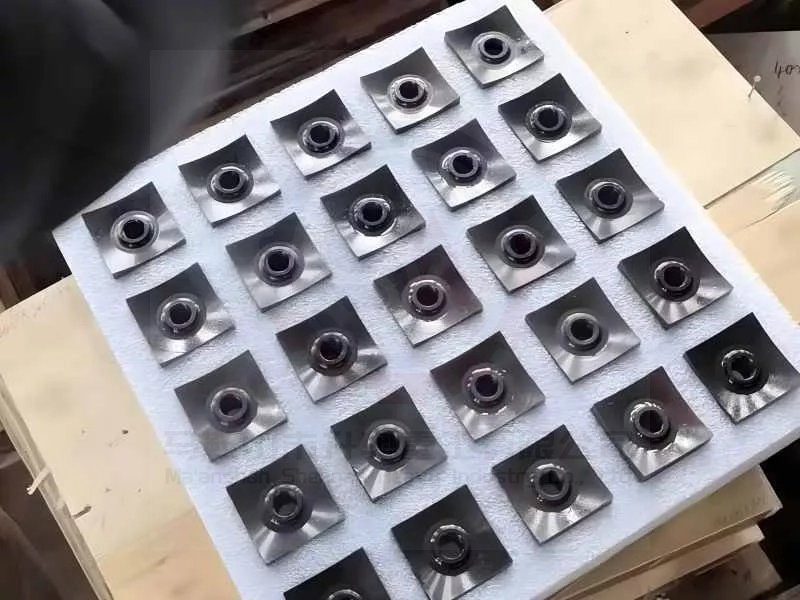
Real-World Performance Ranges: What to Expect
The lifespan of single shaft shredder blades varies significantly based on the application and materials used. The following table provides a realistic benchmark for what you can expect under different operating conditions, highlighting how the right blade choice can extend service life dramatically.
| Material Type / Application | Recommended Blade Material | Typical Service Life (Operating Hours)* | Primary Performance Limiting Factor |
|---|---|---|---|
| Soft Plastics (Film, LDPE, PP) | D2 / SKD-11 Tool Steel | 1,500 - 3,000+ hours | Edge rounding; gradual abrasive wear |
| Hard Plastics / Wood / Pallets | Premium D2 / High-Speed Steel (HSS) | 800 - 2,000 hours | Impact fatigue; chipping from contaminants |
| Rubber / Tires | Alloy-Tipped / Carbide-Inlaid | 1,000 - 2,500+ hours | Heat buildup; abrasive wear |
| Abrasive Materials (E-Waste, ASR, Cable) | Tungsten Carbide Tipped (TCT) | 2,000 - 5,000+ hours | Extreme wear resistance extends life exponentially |
| Mixed C&D / Bulky Waste | High-Toughness Alloy Steel (e.g., H13) | 500 - 1,200 hours | Unpredictable impact and contamination |
*Note: These figures are estimates based on typical operating conditions with proper maintenance. Actual results may vary. Selecting the optimal material is crucial; consult our shredder blade materials guide for detailed technical specifications.
Proactive Strategies to Extend Blade Life and Boost Uptime
Even the most durable blades require intelligent care to reach their full potential. A disciplined approach to maintenance is the most effective way to maximize your return on investment. Implement a routine inspection schedule to check for signs of wear, chipping, or cracking. Catching small issues early prevents catastrophic failure and unplanned downtime.
Proper installation and torqueing of blade bolts is non-negotiable. Loose blades can shift during operation, causing uneven wear, damage to the rotor, and safety hazards. Ensure your infeed material is as clean as possible, free from tramp metal and other hard contaminants that can cause immediate and severe damage. Finally, partner with a knowledgeable supplier who can provide guidance on sharpening intervals and techniques. Regularly sharpening blades before they become excessively dull preserves the cutting geometry and extends the total lifespan of the blade set. For more tips, visit our support page.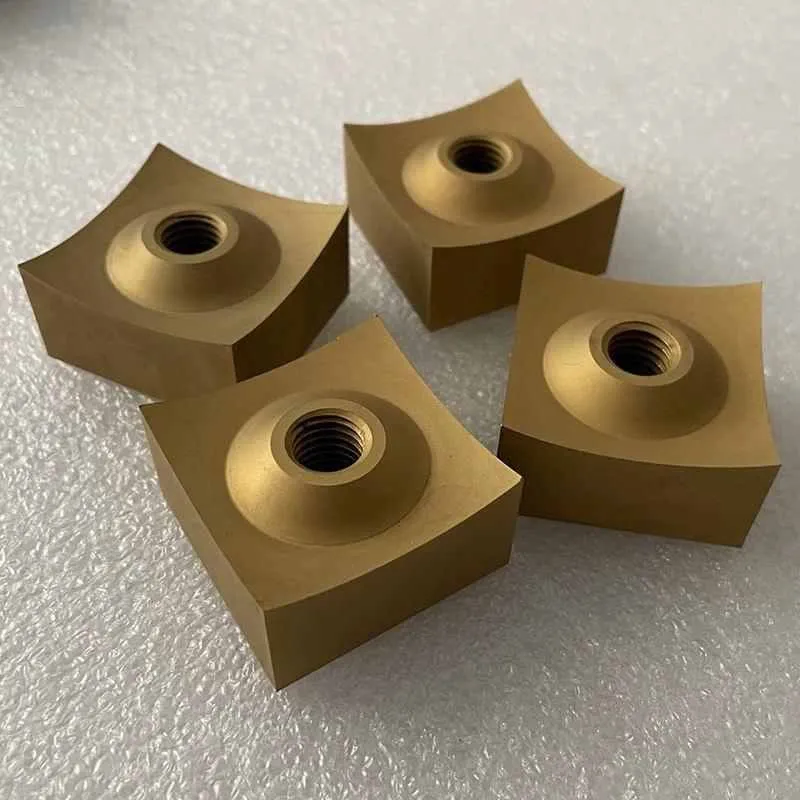
ShengAo's Commitment: Engineering Blades for Maximum Durability
At ShengAo, we understand that your single shaft shredder is a critical asset. That's why we engineer our blades not just to cut, but to last. Our philosophy starts with material selection: we work with you to analyze your specific application and match it with the optimal base material—whether that's premium D2, high-toughness HSS, or advanced tungsten carbide. We then apply rigorous heat treatment processes and CNC precision grinding to achieve exacting tolerances and consistent geometry.
The result is a blade that delivers predictable performance, superior wear resistance, and significantly extended service intervals. By choosing ShengAo, you're not just buying a replacement part; you're investing in a cutting solution engineered to maximize your efficiency and minimize your total cost of ownership. Don't let frequent blade changes dictate your production schedule. Contact our engineering team today to discuss how our durable, high-performance blades can transform your shredding operation from months of frustration to years of reliable productivity.