
How Long Do Plastic Granulator Blades Really Last?
How Long Do Plastic Granulator Blades Really Last?
Table of Contents
Introduction: Beyond the Purchase Price - The True Measure of Value
How long should your Plastic Granulator Blades last? Is it three months, one year, or significantly longer? The answer is rarely straightforward and directly impacts your bottom line through downtime, replacement costs, and output quality. This guide cuts through the guesswork to reveal the real factors that dictate blade durability. We will explore how the synergy between blade material science, operational practices, and proactive maintenance can transform your blade from a frequent expense into a long-term asset. By understanding these principles, you can unlock lifespans that range from mere months for mismatched applications to 20 times longer for optimally engineered solutions, dramatically reducing your cost per ton and maximizing productivity..webp)
Key Determinants of Blade Lifespan
The service life of a granulator blade is not predetermined; it's a direct result of several interacting factors. Primarily, the processed material is the ultimate test. Abrasive plastics like fiberglass-reinforced polymers or PET will wear down standard steel blades rapidly, while soft polyolefins like LDPE are far less demanding. The blade material and hardness must be chosen to counter this wear. Using a D2 tool steel blade for non-abrasive PP is sensible, but switching to Tungsten Carbide-tipped blades becomes essential for abrasive streams to achieve multi-year service.
Secondly, operational conditions play a huge role. Consistent overloading, feeding oversized parts, or running with dull blades generates excessive heat and shock loads, leading to premature chipping, cracking, and accelerated wear. Proper machine setup and blade alignment are critical; misaligned blades cause uneven wear and poor cutting, forcing premature replacement. Finally, the blade design and geometry influence how efficiently material is cut and how stress is distributed. A well-designed blade from a knowledgeable industrial blade manufacturer reduces friction and heat buildup, two major contributors to early failure.
Real-World Lifespan Ranges: From Months to Years
The lifespan of plastic granulator blades varies widely based on the factors above. This table provides a realistic overview of what you can expect under different common scenarios.
| Plastic Type / Application | Recommended Blade Material | Typical Lifespan Range | Primary Lifespan Limiting Factor |
|---|---|---|---|
| Film, Soft LDPE/PP (Clean) | D2, SKD-11 Tool Steel | 6 - 18 Months | Gradual wear; edge rolling |
| Rigid HDPE, PVC Containers | Premium D2, HSS | 4 - 12 Months | Impact fatigue; abrasive wear |
| Engineering Plastics (ABS, Nylon) | Tungsten Carbide Tipped (TCT) | 2 - 5+ Years | Extreme wear resistance extends life dramatically |
| Abrasive Materials (GF, Mineral-Filled) | Full Carbide or Inlaid Carbide | 1 - 3+ Years | Superior hardness combats abrasive particles |
| Mixed / Contaminated Streams | High-Toughness HSS (e.g., H13) | 3 - 9 Months | Unpredictable impact and contamination |
Note: These ranges assume proper installation, maintenance, and operation. Neglecting these can reduce lifespan by 50% or more. For a deep dive into material properties, review our blade materials classification guide.
Maximizing Longevity: Proactive Maintenance & Operation
Extending your blade's life isn't just about buying premium steel; it's about intelligent care. A disciplined sharpening and maintenance schedule is paramount. Regularly sharpening blades before they become excessively dull prevents heat generation and reduces the amount of material that needs to be removed each time, significantly increasing total service life per blade set. Always ensure sharpening is done with precision grinding to maintain the original crusher blade geometry and angles.
Operational best practices are equally crucial. Avoid metallic or other hard contaminants in the feed stream. Ensure proper granulator screen sizes are used to prevent over-grinding and heat buildup. Implementing a preventive maintenance program that includes checking blade bolts for torque, inspecting for damage, and cleaning the cutting chamber prevents small issues from causing catastrophic blade failure. Investing in advanced tungsten carbide or coated blades can be a game-changer for difficult materials, as their inherent wear resistance provides a much longer baseline lifespan between maintenance intervals.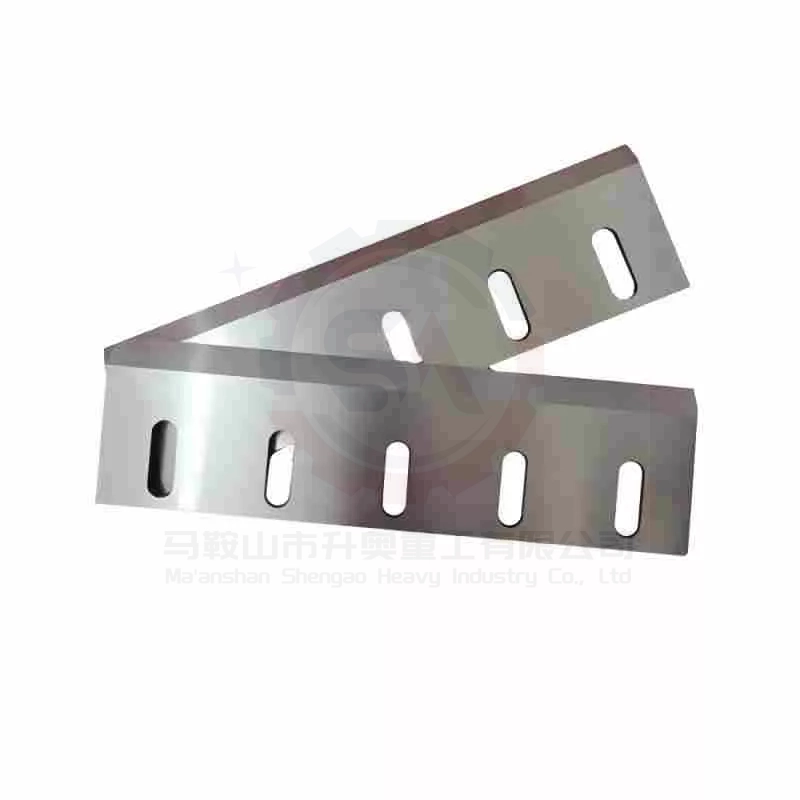
Engineering for Durability: The ShengAo Philosophy
At ShengAo, we engineer longevity into every Plastic Granulator Blade we produce. We understand that true cost is measured over the total lifecycle, not at the point of purchase. Our process begins with selecting the optimal base material—from premium tool steels to advanced tungsten carbides—matched precisely to your application's abrasiveness and impact demands. Our CNC precision grinding ensures flawless geometry for efficient cutting and even stress distribution, while available specialized coatings add an extra layer of protection against wear and adhesion.
The result is a blade engineered to last longer, perform consistently, and withstand the demands of your operation. By partnering with ShengAo, you gain more than a blade; you gain a predictable, cost-effective cutting solution designed to maximize uptime and minimize your total cost of ownership. Don't settle for frequent replacements. Contact our engineering team today to discuss how our durable blade solutions can extend your service intervals from months to years.