
How to Choose the Perfect Circular Blades for Your Industrial Needs?
How to Choose the Perfect Circular Blades for Your Industrial Needs?
Table of Contents
The Critical Role of Circular Blades in Industrial Cutting
In industries ranging from packaging and paper to textiles and plastics, Circular Blades are the workhorses that define production quality and efficiency. A poorly chosen blade leads to frayed edges, excessive dust, frequent stops for changes, and higher energy consumption. This guide will walk you through the essential factors—material, geometry, and manufacturing precision—that determine whether your circular blade investment delivers clean cuts, long life, and the lowest cost per cut. Whether you are slitting film, cutting nonwovens, or shearing metal, understanding these elements will empower you to select the perfect blade for your machinery and materials, maximizing uptime and product quality.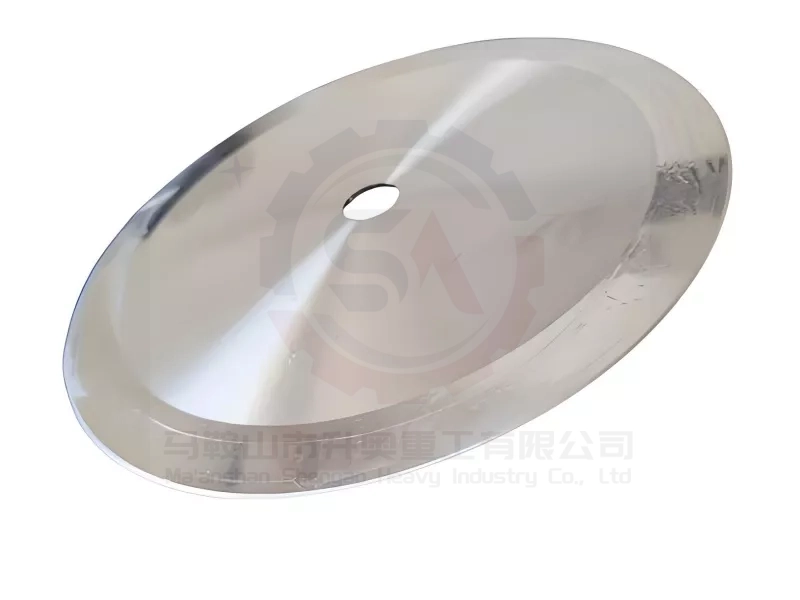
Matching Blade Materials to Your Cutting Application
The core of a circular blade's performance lies in its material. The right metallurgy must balance hardness (to resist wear) with toughness (to resist chipping). The table below outlines common circular blade materials and their optimal applications, helping you make an informed decision based on your specific feedstock.
| Blade Material | Typical Applications & Material to Cut | Key Properties & Benefits | Recommended for |
|---|---|---|---|
| High-Speed Steel (HSS) | Paper, corrugated board, thin plastics, non-ferrous metals. | Excellent edge retention at high speeds; good toughness; easy to resharpen. | High-volume slitting and shearing where frequent blade changes are acceptable. |
| Tool Steel (D2/SKD-11) | Plastic film, laminates, rubber, thick paper stacks. | High wear resistance and dimensional stability; long life between sharpenings. | Abrasive materials and applications demanding consistent cut quality over long runs. |
| Tungsten Carbide | Filled plastics, glass-fiber composites, abrasive papers, metal foils. | Extreme hardness and wear resistance; maintains sharpness in highly abrasive environments. | Challenging, abrasive, or high-tolerance cuts where blade life is critical to uptime. |
| Stainless Steel | Food processing, pharmaceutical, cleanroom applications. | Corrosion resistance; easy to clean; meets hygiene standards. | Environments requiring frequent washdown or resistance to corrosive materials. |
| Carbide-Tipped / Inlaid | Heavy-duty slitting, abrasive board, composite materials. | Combines tough steel body with ultra-hard cutting edge; cost-effective for extreme wear. | Operations where solid carbide is too brittle but wear resistance is paramount. |
Choosing the right material is the first step. For a deeper dive into metallurgy, consult our blade materials classification guide.
Key Selection Factors: Geometry, Hardness & Precision
Beyond material, three engineering details dictate real-world performance. Blade geometry—including diameter, thickness, and edge angle—must match your machine and material. A thinner blade with a keen edge is ideal for films, while a thicker, more robust edge handles heavy board or metals. The hardness (HRC) achieved through precise heat treatment must be verified; blades that are too hard may crack under impact, while those that are too soft will dull rapidly. At ShengAo, we adhere to strict heat-treatment protocols to ensure optimal hardness for each application. Finally, precision grinding and balance are non-negotiable. Even the finest steel will cut poorly if the blade is not perfectly flat, concentric, and balanced. Micron-level tolerances ensure minimal runout, reducing vibration and extending blade and machine life. For more on how geometry affects performance, see our industrial circular blade guide.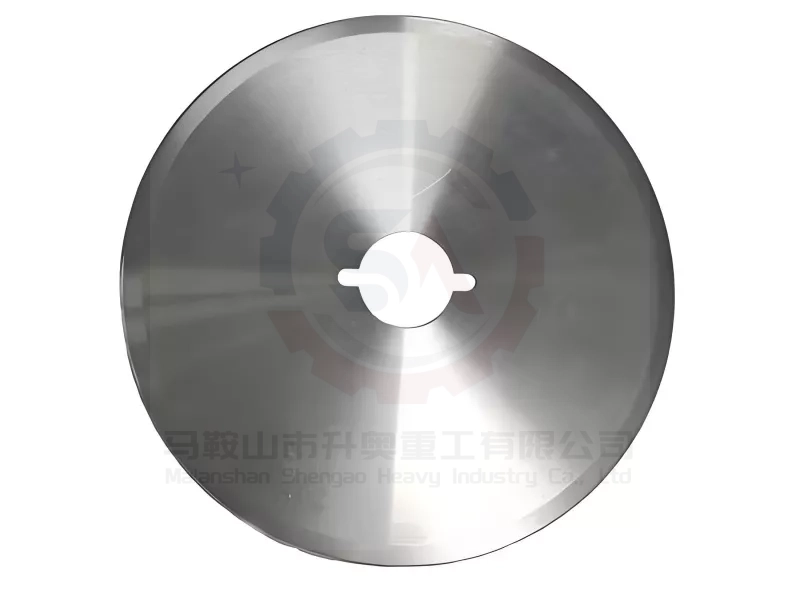
ShengAo Precision: Your Partner for High-Performance Circular Blades
At ShengAo, we engineer circular blades as precision solutions, not just replacement parts. We begin by analyzing your material, machine specifications, and production targets. Our team selects from advanced materials—from HSS and D2 tool steel to premium tungsten carbide—and applies CNC grinding to achieve flawless edge geometry and surface finish. Every blade undergoes rigorous quality checks, including hardness testing and dynamic balancing, to ensure it performs flawlessly in your operation. The result: cleaner cuts, longer blade life, reduced downtime, and a measurable lower cost per cut. Whether you need a standard size or a custom-engineered profile, ShengAo delivers blades that optimize your process. Ready to upgrade your cutting performance? Contact our engineering team for a consultation and discover how our circular blade solutions can drive efficiency and profitability in your industrial application.