
High-Performance Single Shaft Shredder Blades for Your Recycling Needs
High-Performance Single Shaft Shredder Blades for Your Recycling Needs
Table of Contents
1. Introduction: The Heart of Your Shredder's Performance
Is your recycling line plagued by inconsistent output, frequent stoppages for blade changes, or skyrocketing energy costs? The efficiency of your size reduction process hinges on one critical component: the Single Shaft Shredder Blades. These tools are the frontline soldiers in the battle against waste, determining everything from final particle quality to the overall profitability of your operation. This guide offers a strategic framework for selecting and maintaining high-performance blades that tackle plastic, metal, wood, and more. You will discover how to analyze your material stream, choose the optimal blade configuration, and implement a maintenance routine that maximizes uptime. By focusing on the total cost of ownership, we will show you how investing in the right industrial shredder blades from ShengAo transforms your shredder from a simple machine into a powerhouse of productivity.
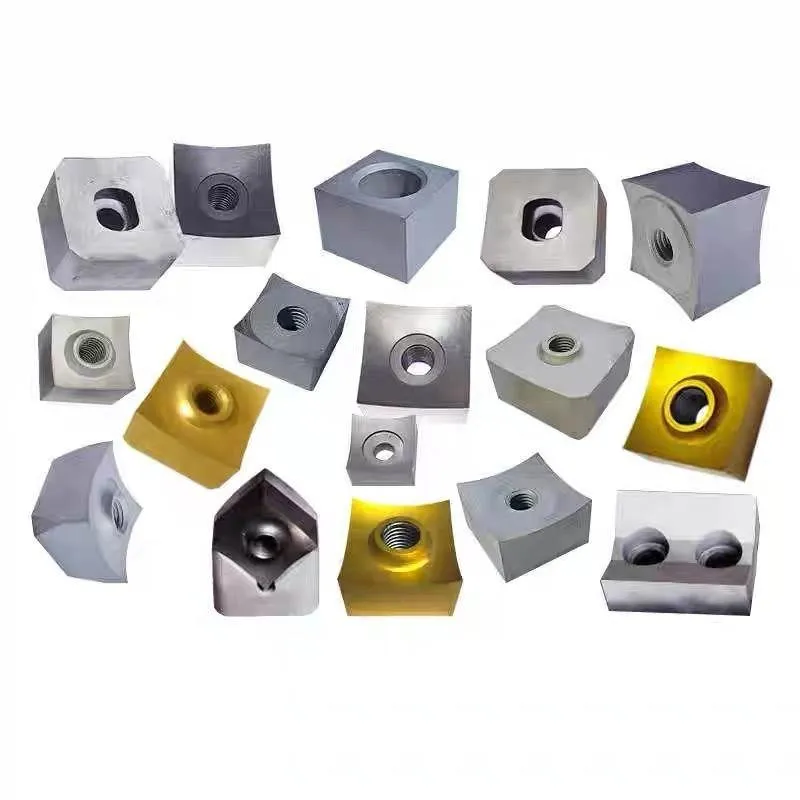
2. Match Blade Material to Your Waste Stream for Maximum Wear Life
The most common cause of premature blade failure is mismatched metallurgy. Different materials—from soft films to hard metals—exert vastly different wear mechanisms on your cutting edges. Choosing the correct material is the first step toward longevity .
Use the following guide to select the optimal ShengAo blade material for your specific application:
| Waste Category & Examples | Recommended ShengAo Blade Material | Key Characteristics & Benefit |
|---|---|---|
| Soft Plastics & Fibers: LDPE films, PP woven bags, textiles, paper. | High-Chromium Tool Steel (SKD-11 / D2) | Excellent toughness and wear resistance. Maintains a sharp cutting edge to shear materials cleanly without tearing, reducing energy consumption. |
| Hard & Abrasive Plastics: Technical plastics, engineering resins, wood, and composites. | High-Speed Steel (HSS) or DC53 | Superior hot hardness and edge retention. Withstands the friction and heat generated by shredding dense, abrasive materials, ensuring consistent particle size. |
| Metals & Demanding Applications: Scrap metal, e-waste, tires with steel wire, bulky purgings. | Carbide-Tipped or Alloy-Tipped Blades | Extreme impact and wear resistance. The hard-tipped edge provides a significantly longer service life (up to 5-10x) in the toughest environments, drastically reducing replacement frequency. Alloy-tipped shredder blades are engineered for these high-stress scenarios. |
| Contaminated Waste Streams (e.g., MSW, with dirt, stones). | Surface-Coated Tool Steel (e.g., TiN, TiAlN) | Hard coatings reduce friction, increase surface hardness, and protect against abrasive fines and corrosion, effectively shielding the blade core from premature wear. |
For a deeper understanding of how different alloys perform, review our comprehensive shredder blade materials guide to make an informed, data-backed decision.
3. Optimize Blade Geometry for Throughput and Particle Size
Beyond material, the physical design of the blade dictates how it interacts with the material. Geometry influences everything from initial material grab to final particle consistency and power usage.
Rotor Design and Blade Configuration: Single shaft shredders typically utilize square or hexagonal rotors with replaceable blades. The number of blades, their arrangement (e.g., spiral design), and the clearance between the rotor and the bed knife are all critical. A spiral rotor configuration, for example, reduces peak torque demands and provides a smoother, more energy-efficient cutting action .
The Cutting Edge: The style of the blade tip—whether it's a sharp, continuous edge for cutting or a hooked design for tearing—must match the material. For example, processing rubber or tires may require a different blade profile than shredding brittle plastics. The key is to balance the cutting force with the material's tensile strength to achieve clean cuts without excessive strain on the drive system. Explore the various shredder blade types available to find the perfect profile for your needs.
4. Proactive Maintenance: The Key to Uninterrupted Operations
Reactive maintenance—waiting for a blade to break or dull completely—is the most expensive strategy. A proactive plan protects your machinery and your bottom line.
Monitoring and Rotation: Implement a routine schedule to inspect blades for wear patterns like chipping, rounding, or cracking. Catching these signs early allows for timely intervention. For rotors with multiple blade rows, consider a rotation schedule to ensure even wear distribution across all positions, which maximizes the usable life of the entire set before a full change is needed.
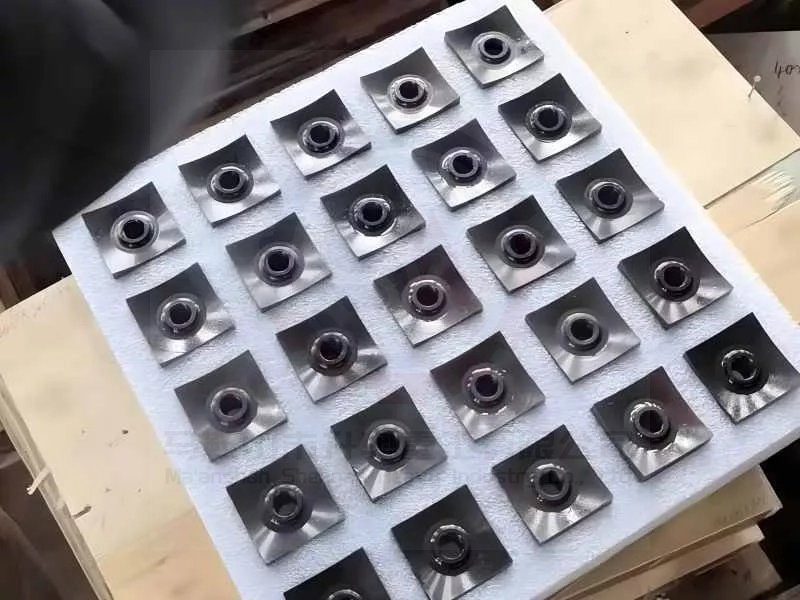
Sharpening vs. Replacement: High-quality ShengAo blades are designed to be re-sharpened multiple times. The goal is to restore the factory edge geometry precisely. Working with a partner who understands the original specifications ensures that blades are sharpened correctly, removing minimal material and extending their overall lifecycle. Some advanced systems even feature reversible blades or designs that allow for quick changes, as seen in modern shredders where patented rotor designs can extend blade life significantly .
Fast Changeover Protocols: Downtime is lost revenue. Utilizing proven clamping technologies and maintaining a spare set of blades can reduce changeover time from hours to minutes . This quick-change capability is essential for facilities running 24/7 operations, ensuring that maintenance windows are short and predictable.
5. Calculating Total Cost of Ownership (TCO) for Better ROI
The initial purchase price is a fraction of the story. The true measure of value is the Total Cost of Ownership, which accounts for the blade's entire lifecycle performance.
Calculate Cost Per Ton: This is the definitive metric. Divide the total cost of the blades (purchase price + sharpening costs) by the total tons of material processed during their lifespan. A premium ShengAo blade with a higher upfront cost will almost always deliver a lower cost per ton because it processes more material between changes and maintains higher throughput efficiency.
Factor in Operational Impact: Dull or failing blades force your shredder to work harder, drawing more current and slowing down processing speeds. This inefficiency translates directly into higher energy bills and reduced output. Sharp, durable blades maintain peak performance, ensuring your energy spend translates into maximum throughput.
Partner with Expertise: The right blade partner offers more than just a product. ShengAo provides engineering support to help you match the perfect blade to your unique application, whether it's processing municipal solid waste or tough e-waste. We offer custom solutions and OEM-quality replacements that guarantee fit and function. As a leading industrial blades manufacturer, our team is ready to help you optimize your operation, ensuring you achieve the lowest possible TCO and the highest return on your investment. Don't let subpar blades cut into your profits—contact us to discuss your specific needs and discover the ShengAo advantage.
Conclusion: Achieve Peak Performance with the Right Blades
Optimizing your single shaft shredder for efficiency is a matter of intelligent choices. By carefully selecting blade materials matched to your waste stream, engineering the geometry for your specific cutting action, adopting a proactive maintenance schedule, and focusing on the long-term total cost of ownership, you can significantly reduce downtime, lower energy consumption, and increase the value of your recycled output. The goal is a seamless, productive operation where your shredder consistently delivers high-quality results. Ready to upgrade your performance? Contact the ShengAo engineering team today for a personalized consultation and blade solution tailored to your exact recycling challenges.