
Explore the Applications of Single Shaft Shredder Blades
Explore the Applications of Single Shaft Shredder Blades
Table of Contents
Where exactly can a Single Shaft Shredder Blade be used, and what makes it a critical tool across diverse recycling and size-reduction operations? This definitive guide addresses these core questions, providing a clear map of the versatile applications, material-specific challenges, and efficiency gains delivered by these robust industrial shredder blades. We will delve into how single shaft shredder blades transform bulky plastic, wood, metal, and composite waste into manageable, high-volume-reduced material. By understanding their operational principles and material compatibility, you can unlock new levels of productivity, reduce handling costs, and streamline your downstream processing, turning waste streams into valuable resources.
Core Value: Versatility, Control, and Volume Reduction
Unlike their dual-shaft counterparts that primarily shear, single shaft shredders utilize a powerful rotor with mounted hook or v-shaped blades that pull, tear, and rip material against a fixed bed knife. This unique "pull-and-tear" action grants them exceptional versatility. The primary value lies in their ability to handle a vast range of input sizes and shapes—from entire plastic barrels, rolls of carpet, and wooden pallets to electronic housings and irregular manufacturing scrap. They excel at primary size reduction, creating a consistent, shred-sized output that is ideal for further granulation or processing.
Furthermore, single shaft systems offer superior particle size control through interchangeable screen sizes, determining the final output dimensions. This makes them indispensable for applications requiring specific feedstock sizing. Crucially, they achieve massive volume reduction, drastically lowering transportation and storage costs. For operations dealing with mixed or unpredictable waste streams, the rugged design and powerful torque of a well-equipped single shaft shredder, fitted with the correct shredder blade types, provide unmatched reliability and uptime.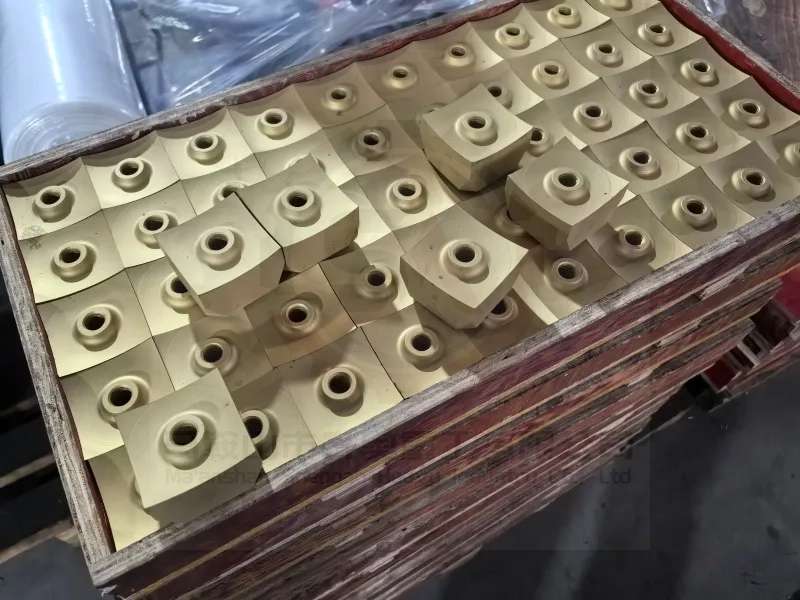
Application Spotlight: From Plastics to Solid Waste
The true power of single shaft shredder blades is revealed in their wide-ranging applications. This versatility stems from the ability to customize blade geometry, material, and hardness to suit specific challenges. The following table outlines key sectors and the tailored blade solutions required for optimal performance.
| Material Category | Common Examples | Blade Material & Design Focus | Primary Benefit |
|---|---|---|---|
| Plastics & Polymers | Purgings, pipes, film rolls, drums, PET bottles, mixed rigid plastic. | D2/SKD-11 for general use; Tungsten Carbide tips for glass-filled or abrasive plastics. | Efficiently reduces bulky items; prepares material for granulator blades. |
| Wood & Biomass | Pallets, construction lumber, root balls, bark, green waste. | High-Toughness H13 or alloy steel with wear-resistant coating. | Handles nails and contaminants; produces consistent biomass fuel chips. |
| Metals (Light) | Aluminum extrusions, castings, non-ferrous scrap, e-waste frames. | High-wear-resistant tool steel (e.g., D2, SKD-11) with specialized heat treatment. | Durable shredding for volume reduction prior to melting or further separation. |
| Municipal & Industrial Waste | MSW, commercial waste, carpets, mattresses, textiles, mixed recyclables. | Extreme toughness alloys (e.g., H13) and hook-style blades for grabbing. | Processes highly heterogeneous material; reduces landfill volume. |
| Specialty & Hazardous | E-waste (PCBs, appliances), tires, medical waste, confidential documents. | Corrosion-resistant or uniquely hardened blades; often requires customized solutions. | Secure, controlled size reduction for safe disposal or material recovery. |
For a deeper understanding of material properties, explore our detailed shredder blade materials guide.
Key Considerations: Matching Blades to Material & Task
Selecting the right blade for your single shaft shredder is not a one-size-fits-all decision; it's a strategic choice that directly impacts output quality, operational cost, and machine longevity. The foremost factor is material composition. Abrasive materials like fiberglass or mineral-filled plastics demand the extreme wear resistance of tungsten carbide or inlaid carbide blades, while tough, impact-resistant materials like tires or mixed metals require blades with high fracture toughness, such as H13 tool steel.
Next, consider the desired output size and shape. The geometry of the blade hook—its angle, depth, and sharpness—determines how it grabs and tears material. A more aggressive hook is better for thick, tough items, while a different profile may optimize for cleaner cuts on specific plastics. Additionally, operational factors like throughput requirements and contaminant presence (e.g., dirt, sand, metals in the feed) must guide the choice of blade material and hardness to balance wear life against chipping risk. Partnering with an experienced industrial blade manufacturer like ShengAo ensures this critical matching is done precisely, based on engineering data and real-world application knowledge.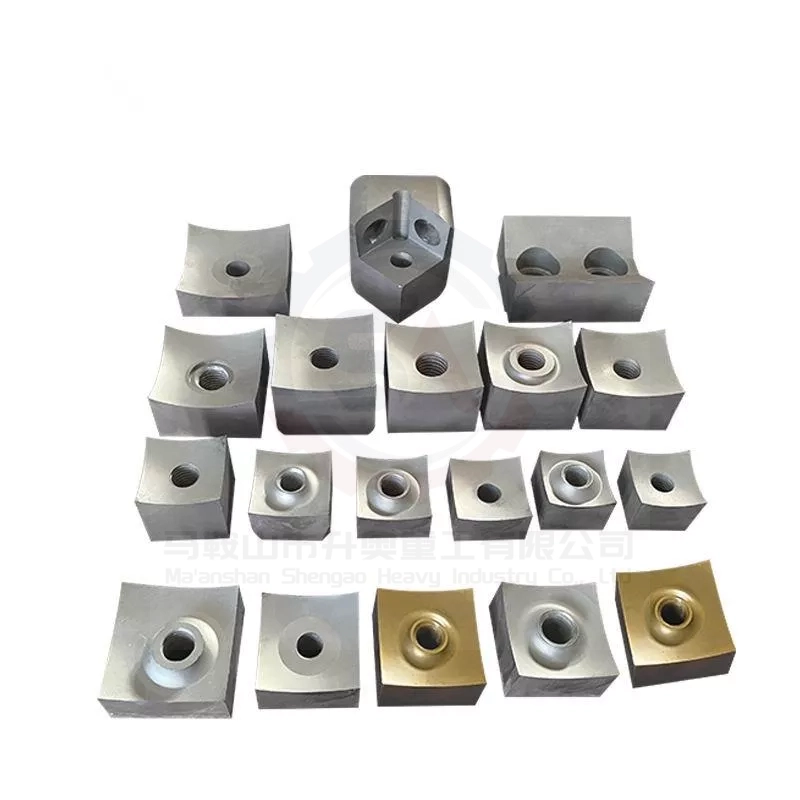
The ShengAo Commitment: Precision Engineering for Diverse Challenges
At ShengAo, we engineer Single Shaft Shredder Blades to conquer the specific challenges of your industry. We understand that shredding carpet demands a different solution than processing e-waste or wood pallets. Our process begins with a consultative analysis of your material stream, throughput goals, and machine specifications. From there, we select the optimal base material—from premium, through-hardened tool steels to advanced carbide composites—and employ CNC precision grinding to create blade geometries that maximize grabbing force, cutting efficiency, and durability.
The result is a blade system engineered not just to fit, but to perform—delivering longer service life, consistent particle size, and reduced downtime. By choosing ShengAo, you gain more than a replacement part; you gain a productivity partner dedicated to optimizing your shredding operation's total cost and output. Don't let the wrong blade limit your potential. Contact our engineering team today to discuss how our application-specific shredder blade solutions can transform your material processing challenges into operational advantages.