
Circular Blades Suitable Materials and Applications
Circular Blades Suitable Materials and Applications
Table of Contents
Introduction: The Critical Role of Circular Blades
Selecting the optimal circular blades is a fundamental decision that directly impacts production efficiency, cut quality, and operational costs across countless industries. With so many material and design options available, how do you ensure you're choosing the right blade for your specific cutting challenge? This comprehensive guide is designed to answer that question. We will explore the essential materials—High-Speed Steel (HSS), Tungsten Carbide, and Advanced Ceramics—and detail their ideal applications in sectors like paper and packaging, food processing, and textile manufacturing. By understanding the synergy between blade material and application, you can maximize blade life, achieve cleaner cuts, and boost your overall productivity. As a leading circular blades manufacturer, ShengAo provides the expertise and precision-engineered solutions to meet these diverse industrial demands.
Key Materials for Circular Blades: Properties and Selection
The performance and longevity of a circular blade are predominantly determined by its core material. Each material family offers a unique balance of hardness, toughness, wear resistance, and corrosion resistance, making it suitable for specific cutting environments.
1. High-Speed Steel (HSS): A versatile and cost-effective choice, HSS blades offer excellent toughness and good wear resistance. They are easier to sharpen and maintain, making them ideal for general-purpose cutting of non-abrasive materials like paper, certain plastics, and soft fabrics. Variants like M2 and M35 provide enhanced performance for more demanding tasks.
2. Tungsten Carbide (Carbide): Renowned for exceptional hardness and wear resistance, carbide blades maintain a sharp edge much longer than HSS. They are the preferred choice for cutting abrasive materials (e.g., corrugated cardboard, composites, plastic film), achieving high-precision, burr-free edges. Blades can be solid carbide or feature carbide-tipped edges bonded to a durable steel body for optimal performance and value.
3. Advanced Ceramics (e.g., Zirconia): Ceramic blades provide superior corrosion resistance and hardness at high temperatures, with minimal risk of contaminating the material being cut. This makes them perfect for hygienic cutting applications in food processing and pharmaceutical sectors, as well as for cutting highly abrasive materials where metallic contamination is a concern.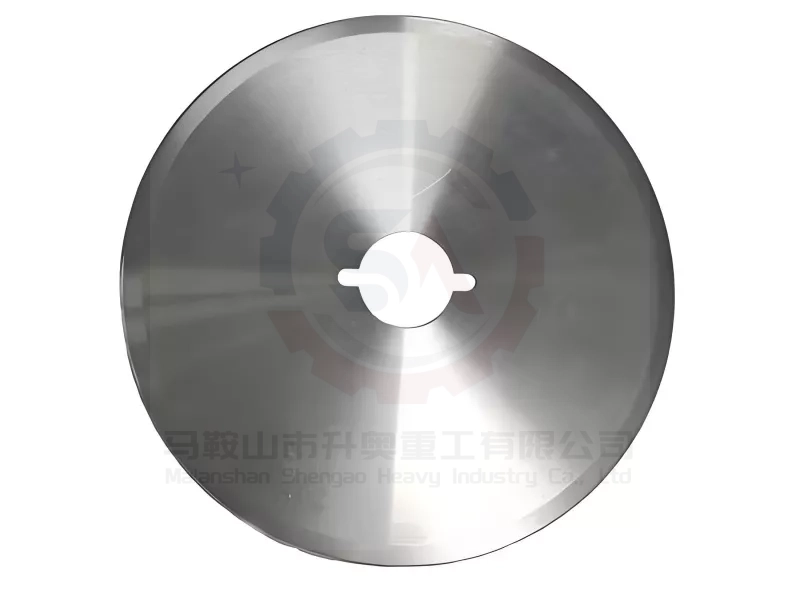
Comparison Table: Circular Blade Materials
| Material | Key Properties | Primary Advantages | Typical Applications |
|---|---|---|---|
| High-Speed Steel (HSS) | High toughness, good wear resistance, ease of sharpening. | Cost-effective, versatile, durable for general use. | Paper stacks, non-woven fabric, soft plastics, rubber sheets. |
| Tungsten Carbide | Extreme hardness, superior wear resistance, high rigidity. | Longest lifespan for abrasive materials, precision cutting, burr-free edges. | Corrugated board, plastic film & bags, composites, thin metals, foil. |
| Advanced Ceramics | Exceptional corrosion/heat resistance, non-conductive, non-magnetic. | Contamination-free cuts, ideal for food/hygiene-sensitive applications. | Food products (meat, bakery), pharmaceutical materials, abrasive non-metallics. |
Primary Applications of Circular Blades by Industry
The true test of a circular blade is its performance in real-world applications. Matching the blade's material and geometry to the task is crucial for success.
1. Paper, Cardboard, and Packaging
This industry demands clean, precise, and high-volume cutting. For paper and light board, HSS blades are often sufficient. However, for abrasive materials like corrugated cardboard or laminated packaging, tungsten carbide circular blades are essential to withstand the silica content and maintain sharpness. Serrated edges are sometimes used to prevent material slippage during high-speed slitting or shearing.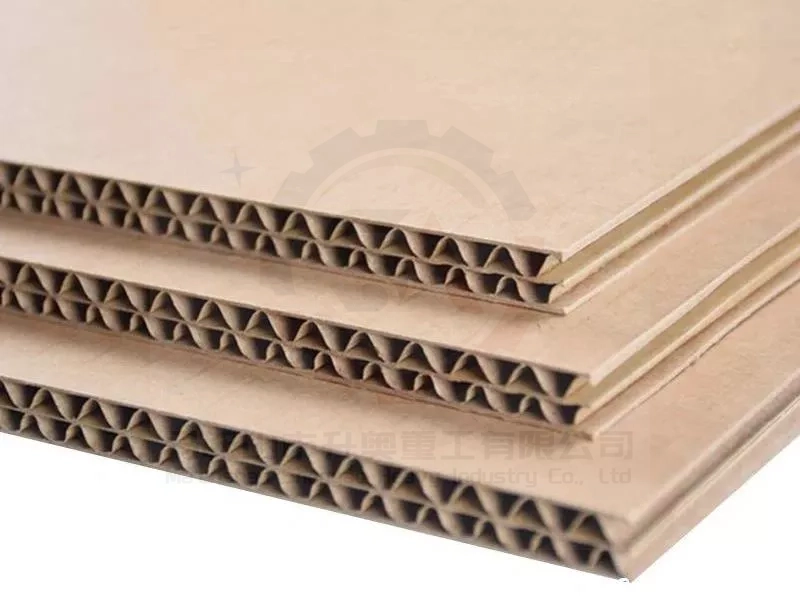
2. Food Processing
Hygiene, corrosion resistance, and clean cutting are paramount. Ceramic blades excel here, as they resist acids and salts, do not rust, and prevent bacterial adhesion. For cutting frozen food, boneless meat, or bakery products, sharp food-grade blades made from specialized stainless steel or ceramics ensure product integrity and meet stringent safety standards.
3. Textiles and Nonwovens
From natural fibers to synthetic fabrics and technical nonwovens, cutting requires sharpness to prevent fraying. HSS blades are common for many fabrics, while carbide blades are used for high-volume operations or materials containing abrasive fillers. The blade's edge geometry (plain or serrated) is carefully selected based on whether the material tends to slip or stretch during cutting.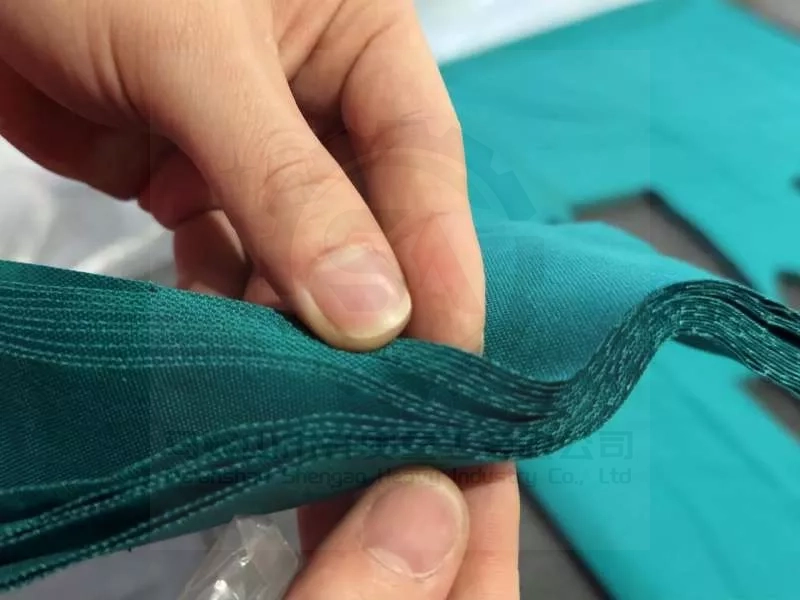
4. Plastic Film and Bag Manufacturing
Producing consistent, sealed edges on plastic film, bags, and packaging requires extreme sharpness and wear resistance to prevent burrs and polymer buildup. Precision tungsten carbide blades are the industry standard, offering the longevity needed for continuous, high-speed production lines, such as those using bag making machine knives.
5. Thin Metal and Foil Processing
Slitting or shearing thin metals, foils, and adhesive tapes requires a blade with high hardness and compressive strength to avoid edge deformation. Tungsten carbide blades with specialized coatings are typically used to achieve clean, deformation-free cuts on materials like aluminum, copper foil, and specialty alloys without contaminating the product.
Application Selection Guide Table
| Application Sector | Recommended Blade Material(s) | Key Considerations | ShengAo Solution Link |
|---|---|---|---|
| Corrugated Cardboard Slitting | Tungsten Carbide (Tipped or Solid) | Wear resistance against abrasives, need for burr-free edge. | Industrial Slitter Blades |
| Food Product Slicing (e.g., Meat, Cheese) | Stainless Steel, Ceramics | Hygiene, corrosion resistance, easy cleaning, sharpness retention. | Hygienic Cutting Blades |
| Plastic Film & Bag Converting | Tungsten Carbide | Ultra-sharp edge, minimal burr, resistance to plastic buildup. | Plastic Film Cutting Blades |
| Textile & Fabric Cutting | HSS, Carbide-Tipped | Sharpness to prevent fraying, edge geometry to control material. | Rotary Cutting Blades |
| Fine Foil & Tape Slitting | High-Precision Carbide | Extreme edge sharpness, minimal runout, contamination control. | Precision Circular Blades |
Conclusion: Selecting the Right Blade for Peak Performance
Choosing the correct circular blade is not a one-size-fits-all decision; it is a strategic investment in your production line's efficiency and output quality. By aligning the blade material—be it durable HSS, wear-resistant Tungsten Carbide, or hygienic Ceramics—with the specific demands of your application, you significantly reduce downtime, lower cost-per-cut, and ensure consistent, high-quality results. As you evaluate your needs, consider the material being cut, production speed, required cut quality, and operational environment.
For expert guidance and custom-engineered industrial circular blade solutions tailored to your unique challenges, contact the ShengAo team today. Let us help you optimize your cutting process with precision, performance, and reliability.