
Circular Blades: Precision Cutting for Industrial Efficiency
Circular Blades: Precision Cutting for Industrial Efficiency
Table of Contents
1. Match Circular Blade Material to Your Cutting Application
The foundation of any high-performance circular blade is its material composition. Selecting the wrong steel leads to rapid dulling, chipping, and inconsistent cuts. Your choice must be driven by the material you cut most often—its hardness, abrasiveness, and thickness dictate the optimal blade metallurgy.
Use the reference table below to align blade material with your typical cutting task. For a deeper dive into alloy properties, visit our blade materials classification guide.
| Material Category | Recommended Circular Blade Material | Performance Rationale |
|---|---|---|
| Paper, Cardboard, Labels | High‑Speed Steel (HSS) / D2 Tool Steel | Delivers excellent edge retention and hardness (HRC 58‑62) for clean, dust‑free cuts in high‑speed converting lines. |
| Plastic Films (PE, PP, PET) | Tungsten Carbide or Coated HSS | Carbide resists abrasive fillers and minimises burr formation; low‑friction coatings prevent material adhesion. |
| Nonwovens, Textiles, Composites | Micro‑grain Carbide or Serrated HSS | Sharp, wear‑resistant edges slice through fibres cleanly without fraying; serrations help grip slippery materials. |
| Light Metals (Foils, Thin Sheets) | Solid Carbide or Carbide‑Tipped Alloy | Extreme hardness resists deformation and maintains precision when cutting aluminium or copper foil. |
| Rubber, Elastomers, Foam | Alloy Tool Steel with Low‑Friction Coating | Prevents sticking and heat build‑up; hardened edge stays sharp despite the material's high elasticity. |
Pro Tip: Always test a sample of your material or request a blade trial. Our technical team can help you evaluate wear patterns and recommend the best grade.
2. Optimize Blade Geometry and Precision for Clean Cuts
Even the finest steel will underperform if the blade geometry isn’t tailored to your cutting action. Circular blades rely on precise angles, edge finish, and run‑out tolerances to achieve shear quality.
Edge Profile & Clearance Angle: For slitting thin materials like films or paper, a keen, polished edge with a small clearance angle reduces friction and produces burr‑free edges. Heavier cutting, such as sheet metal or thick nonwovens, requires a more robust edge with a slightly larger angle to resist impact. Serrated profiles can help grip and tear fibrous materials, while straight edges excel in clean shearing.
Precision Grinding: High‑quality circular blades are CNC ground to ensure consistent diameter, flatness, and concentricity. Even a deviation of a few microns can cause vibration, uneven wear, and poor cut quality. At ShengAo, every blade undergoes rigorous quality checks—learn more about our process on our precision grinding page.
3. Ensure Machine Compatibility and Precision Fit
A blade that doesn’t fit your machine perfectly is a safety hazard and a source of costly downtime. Circular blades must match the exact specifications of your slitter, rewinder, or converting equipment.
Critical Dimensions: You need to know your machine’s required outer diameter, bore size, keyway dimensions, and thickness. Using a blade with even a slightly oversized bore can lead to slippage and inaccurate cuts. We offer custom‑manufactured blades to match any OEM specification—see our custom circular blades capabilities.
Balancing & Run‑out: High‑speed applications demand blades that are dynamically balanced to prevent vibration. ShengAo blades are manufactured to tight balance grades, ensuring smooth operation at speeds up to 300 m/min. Always check the blade’s mounting surface and ensure the arbor is clean and true.
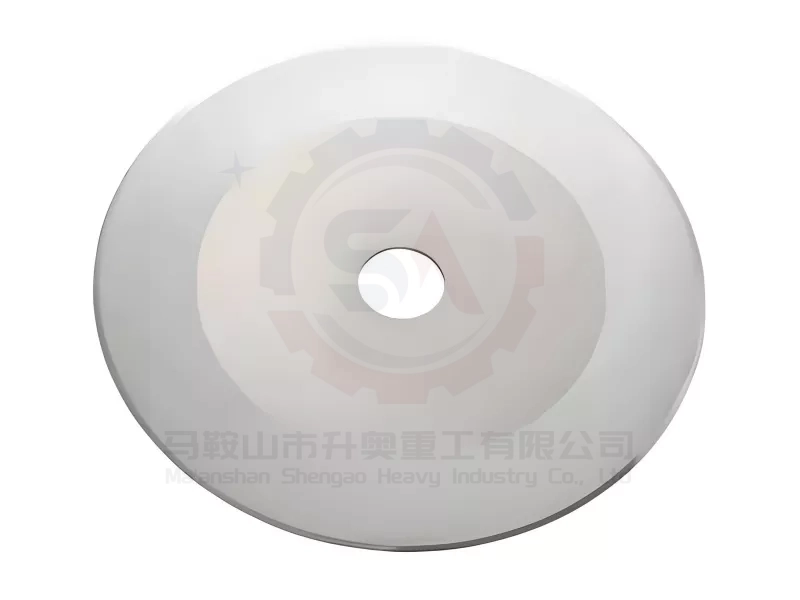
4. Implement a Proactive Maintenance Program
Reactive blade replacement is expensive. A scheduled maintenance routine extends blade life, preserves cut quality, and prevents unplanned stoppages.
Inspection & Cleaning: Regularly inspect blades for built‑up residues, edge nicks, or discolouration (a sign of overheating). Clean blades with appropriate solvents and soft tools to avoid damaging the cutting edge.
Sharpening Intervals: Establish a sharpening schedule based on throughput. Blades should be sharpened before they become dull enough to cause burrs or require excessive force. We provide guidelines on maximum stock removal—learn more in our support section. Remember that frequent light sharpenings are better than waiting for heavy wear.
Storage & Handling: Store circular blades vertically or in specially designed racks to avoid edge contact. Always use protective gloves and handle blades by the bore to preserve edge integrity.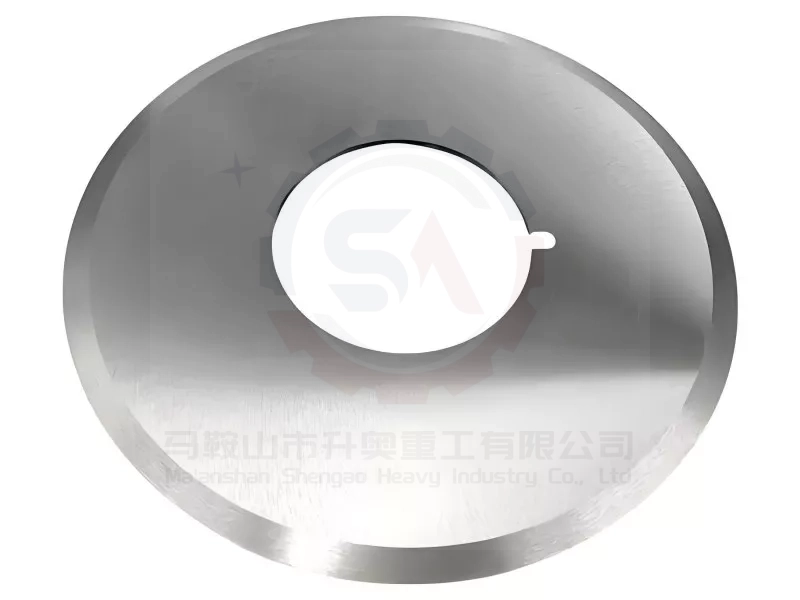
5. Evaluate Total Cost of Ownership for Maximum ROI
The cheapest blade often becomes the most expensive when you factor in lost production, frequent changes, and inconsistent output. Evaluate your circular blades based on total cost of ownership (TCO).
Lifespan vs. Price: A premium tungsten carbide blade may cost more upfront but can last 5–10 times longer than a standard HSS blade in abrasive applications. Calculate your cost per hour or per tonne of material cut—this is the true measure of value.
Downtime Costs: Every minute your line is stopped for blade changes affects profitability. Durable blades with predictable wear allow you to plan maintenance during scheduled downtime, maximising productive hours.
Partner with Experts: ShengAo doesn’t just sell blades; we provide engineering support to help you choose the optimal blade for your machine and material. Contact our team for a TCO analysis tailored to your operation—visit our contact page to start the conversation.
Conclusion
Selecting the right circular blades is a strategic decision that impacts your production efficiency, product quality, and bottom line. By matching blade material to your application, optimising geometry, ensuring perfect machine fit, maintaining proactively, and focusing on total cost, you turn your cutting process into a competitive advantage. Don’t settle for less—partner with ShengAo for blades engineered to perform. Request a quote or speak with our engineers today.