5 Ways Industrial Circular Blades Boost Efficiency & Cut Costs
In today’s competitive manufacturing landscape, every operation is under pressure to do more with less. Whether you are slitting nonwovens, converting packaging materials, or processing recycled goods, the efficiency of your cutting line directly impacts your bottom line. Circular Blades are often viewed as a simple consumable, but when engineered correctly, they become a strategic asset. This article explores five proven ways that high-performance industrial circular blades can significantly boost your productivity while simultaneously reducing operational expenses, helping you achieve a leaner, more profitable production process.
1. Maximize Uptime with Extended Blade Life
Unplanned downtime is the arch-nemesis of profitability. When a blade dulls prematurely or fails, your entire production line grinds to a halt. The most direct way a premium circular blade boosts efficiency is by simply lasting longer. By utilizing advanced metallurgy and precision heat treatment, blades resist wear and maintain a sharp cutting edge for significantly extended periods. This longevity is not an accident; it is a function of material science. For instance, a blade made from high-grade tool steel like SKD-11 or D2 offers superior toughness compared to standard carbon steel. For the most abrasive applications, such as cutting fiber-reinforced plastics or densely packed materials, switching to a
Solid Tungsten Carbide or
Carbide-Tipped blade can extend service life by 8 to 10 times. This drastic reduction in replacement frequency means your machines spend more time running and less time waiting for maintenance.
2. Lower Energy Consumption Through Optimized Cutting Geometry
A sharp blade doesn't just cut better; it cuts easier. A dull or poorly designed blade requires excessive force to shear through material, forcing your motors to work harder and draw more power. This translates directly into higher electricity bills and increased wear on your machine's drive components. The geometry of a circular blade—its bevel angle, edge type, and thickness—plays a critical role in energy efficiency. A blade optimized for a specific application, such as a micro-serrated edge for gripping slippery films or a precise hollow grind for clean paper cuts, reduces friction and cutting resistance. This "slicing" action requires less torque than a "tearing" or "crushing" action caused by a suboptimal tool. By ensuring you use the correct
industrial circular blade for your material, you can achieve the same output with lower energy consumption, contributing to both cost savings and sustainability goals.
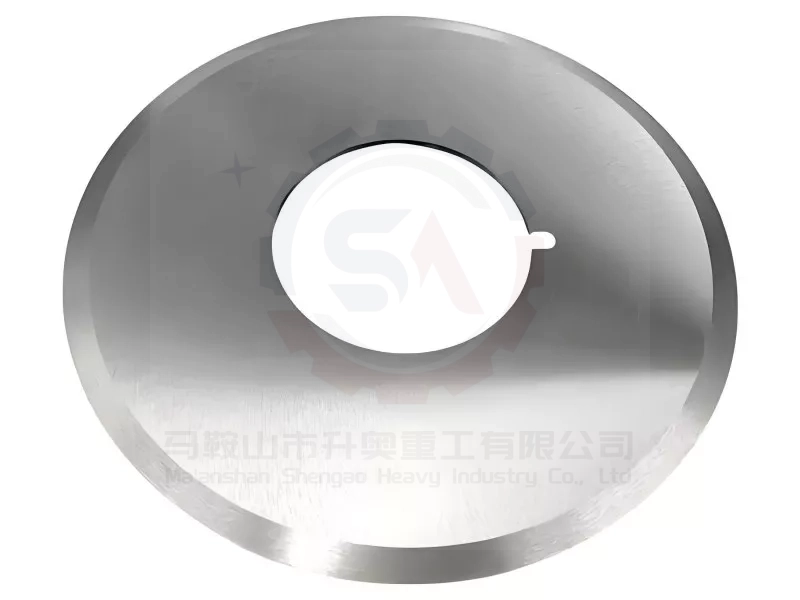
3. Minimize Material Waste with Superior Cut Quality
In the packaging and textile industries, cut quality is paramount. A ragged edge on a non-woven fabric can lead to fraying and product rejection. A burr on a laminated film can cause it to tear during subsequent processing. Poor cut quality results in high scrap rates, directly wasting the raw materials you’ve paid for. High-precision circular blades eliminate this waste. The secret lies in achieving a perfectly consistent, burr-free shear. This requires blades with exceptional flatness, concentricity, and edge sharpness. When a blade runs true without runout, it creates a clean, consistent cut every time. For challenging materials prone to melting or sticking, selecting a blade with a specialized coating or a serrated tooth design can further refine the cut. By reducing waste and rework, a superior blade pays for itself many times over.
4. Reduce Labor Costs with Less Frequent Changeovers
Every time a blade needs to be changed, it consumes valuable labor hours. This isn't just the time spent physically swapping the blade; it includes the time to stop the line, clear the machine, perform the change, re-align the tooling, and restart production. These changeovers are non-productive and labor-intensive. By investing in blades with a longer operational lifespan, you directly reduce the frequency of these disruptive events. Furthermore, a robust blade that resists chipping and deformation reduces the need for emergency maintenance. A proactive approach, using durable blades from a trusted circular blades manufacturer, allows your maintenance team to focus on preventative tasks rather than firefighting. This optimized labor allocation means your skilled technicians are adding value elsewhere, improving overall plant efficiency.
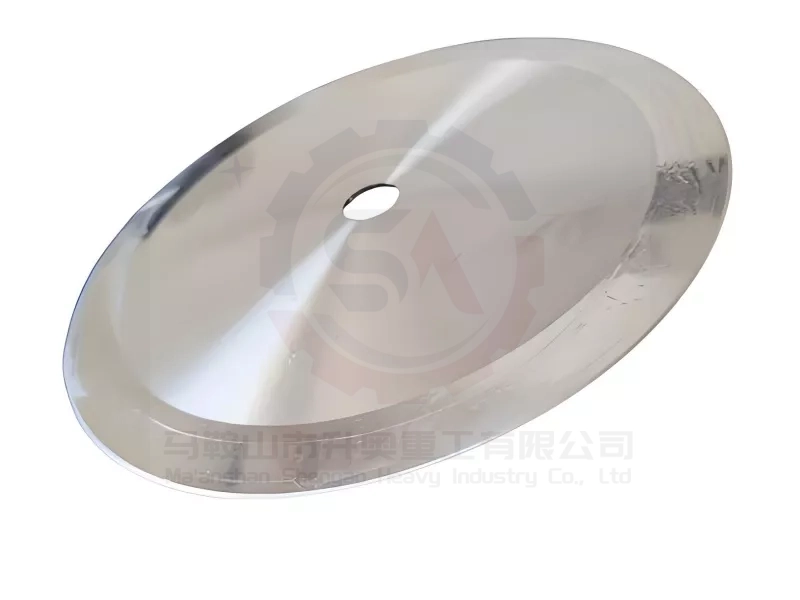
The most common mistake in procurement is focusing solely on the initial purchase price. A cheap blade that fails quickly offers poor value. To truly cut costs, you must analyze the Total Cost of Ownership (TCO). This calculation includes the price of the blade, its lifespan, its impact on energy consumption, and the value of the production uptime it enables. The following table illustrates how matching the blade material to the application optimizes TCO.
| Application Challenge | Standard Material | ShengAo High-Performance Material | TCO Benefit |
|---|
| Abrasive Materials (Fiberglass, Carbon Fiber) | Standard Tool Steel | Tungsten Carbide Circular Blades | 8-10x longer life reduces replacement costs and downtime, offering the lowest cost-per-cut. |
| High-Volume Paper/Board Slitting | Carbon Steel | Through-Hardened Tool Steel (HRC 58-62) | Superior edge retention maintains consistent quality, reducing energy consumption and scrap. |
| Adhesive or Coated Films | Standard Steel | Stainless Steel or Anti-Stick Coated Blades | Prevents material adhesion, eliminating blade cleaning downtime and improving product finish. |
By choosing the right material from the start, you are not just buying a blade; you are investing in sustained performance. For a deeper dive into selecting the right material for your specific needs, explore our comprehensive blade materials classification guide.
Conclusion: Partner with ShengAo for a Competitive Edge
Efficiency and cost reduction are not achieved by chance; they are engineered. By focusing on the five key areas of blade performance—uptime, energy, waste, labor, and TCO—it becomes clear that the humble circular blade is a powerful lever for operational improvement. Upgrading to precision-engineered blades from
ShengAo is a strategic move that delivers tangible, measurable results. Don't let an inferior cutting tool be the bottleneck in your production line. Contact our engineering team today for a personalized consultation. Let us help you select the perfect high-performance, cost-saving circular blade solution that will sharpen your competitive edge.