
5 Signs Your Slitting Blades Need Replacing
5 Signs Your Slitting Blades Need Replacing
Table of Contents
Are rising material waste, inconsistent product quality, and unexpected machine downtime eating into your profits? Often, the root cause lies in worn-out slitting blades that operators hesitate to replace. Ignoring the warning signs of blade fatigue can lead to catastrophic machine failure, compromised safety, and significantly higher operational costs. This essential guide details the five critical indicators that your slitting blades are due for replacement. By learning to identify these signs early—from poor edge quality to audible cues—you can proactively schedule maintenance, reduce waste, avoid unplanned stoppages, and ensure consistent, high-quality output. Implementing a proactive blade management strategy not only saves money but also extends the life of your entire slitting system, protecting your investment. Discover how ShengAo's precision-engineered blades offer longer life and reliable performance for your demanding applications.
1. Burred or Feathered Material Edges
The most immediate and visible sign of a dull slitting blade is a decline in cut quality. Instead of clean, crisp edges, you'll notice burrs, feathers, or a ragged finish on the slit material.
This occurs because a worn blade edge no longer shears cleanly; it tears and pulls at the material fibers. For plastics and films, this may manifest as a pronounced "curl" or raised edge. In paper, cardboard, or nonwovens, you'll see loose fibers or a fuzzy edge. This defect not only compromises product quality but can also cause downstream processing issues like jamming, poor sealing, or rejection in quality control.
Action: Regularly inspect sample strips from across the web. Compare the slit edge to a known good sample. If burring is consistent, it's a clear call for blade sharpening or replacement. For materials requiring flawless edges, consider upgrading to tungsten carbide circular blades for their superior edge retention.
2. Increased Cutting Force and Machine Strain
Your machine often tells the story before your eyes do. A noticeable increase in the power consumption, amperage draw, or physical resistance of the slitter is a strong technical indicator of blade wear.
Dull blades require significantly more force to push through the material. This extra strain is transferred to the motor, drive system, and bearings. You might observe the machine slowing down under load, hear the motor laboring, or see an abnormal rise on the amperage meter. This not only wastes energy but also accelerates wear on expensive machine components, leading to costly repairs far exceeding the price of a new blade set.
Action: Monitor your machine's power consumption. Establish a baseline amperage reading for a known good blade and material. A sustained increase of 10-15% is a reliable sign that the blades are struggling and need attention to prevent broader system damage.
3. Excessive Material Waste and Inconsistent Widths
When blades lose their precision, your yield plummets. Worn or chipped blades can cause uneven slitting, resulting in strips that are out of tolerance, or they can create excessive "kerf" (the width of material lost in the cut).
This leads directly to material waste—edges that must be trimmed away are wider, and out-of-spec strips may be scrapped entirely. Furthermore, inconsistent tension across strips due to uneven cutting can cause web instability, wrinkles, and tracking problems, further degrading yield and productivity.
Action: Track your yield metrics closely. A sudden or gradual decrease in usable material output is a key financial signal. Measure slit widths at multiple points; variance beyond specification points directly to blade issues. For complex material combinations, our industrial circular blade guide can help select the optimal blade geometry.
| Sign of Wear | Direct Consequence | Recommended Action |
|---|---|---|
| Burred/Frayed Edges | Poor product finish, downstream jams. | Immediate sharpening or replace blade. |
| Increased Power Draw | Higher energy cost, motor/bearing wear. | Check blade sharpness; replace if worn. |
| Width Inconsistency | Material waste, out-of-spec product. | Inspect for blade damage/misalignment; replace set. |
| Excessive Dust/Particles | Contamination, blade & machine wear. | Blade is grinding, not cutting. Replace urgently. |
| Visible Nicks/Cracks | Catastrophic blade failure risk, material damage. | Replace blade immediately. Do not operate. |
4. Unusual Noises and Vibration During Operation
A healthy slitting process should sound relatively smooth and consistent. The development of new noises—such as chattering, squealing, grinding, or a rhythmic knocking—is an audible alarm.
Chattering often indicates a blade that is grabbing and slipping due to a dull or improperly set edge. Grinding noises suggest the blade is rubbing and wearing away rather than cutting. Excessive vibration felt through the machine frame can be caused by an imbalanced, chipped, or severely worn blade. These symptoms not only signal blade failure but also pose a risk of causing immediate and severe damage to the blade holders and arbors.
Action: Train operators to listen to the machine. Any sharp change in operational sound profile should trigger an immediate stoppage for inspection. Regular checks, as outlined in our general support resources, can prevent minor issues from becoming major failures.
5. Visible Blade Damage and Wear Patterns
A thorough visual inspection during scheduled downtime is non-negotiable. Look for these clear physical signs on the blade itself.
Nicks and Chips: Caused by hitting foreign objects or cutting hardened contaminants. Even small nicks will translate to defects in every revolution.
Rounded Edge: The sharp cutting bevel becomes visibly rounded from abrasive wear. This blade will crush material rather than shear it.
Discoloration (Blueing): Indicates overheating, often from running too fast without proper clearance or lubrication. This can soften the steel, destroying its hardness.
Uniform Wear Land: A shiny, polished flat area along the cutting edge shows advanced abrasive wear. The blade has lost its geometry.
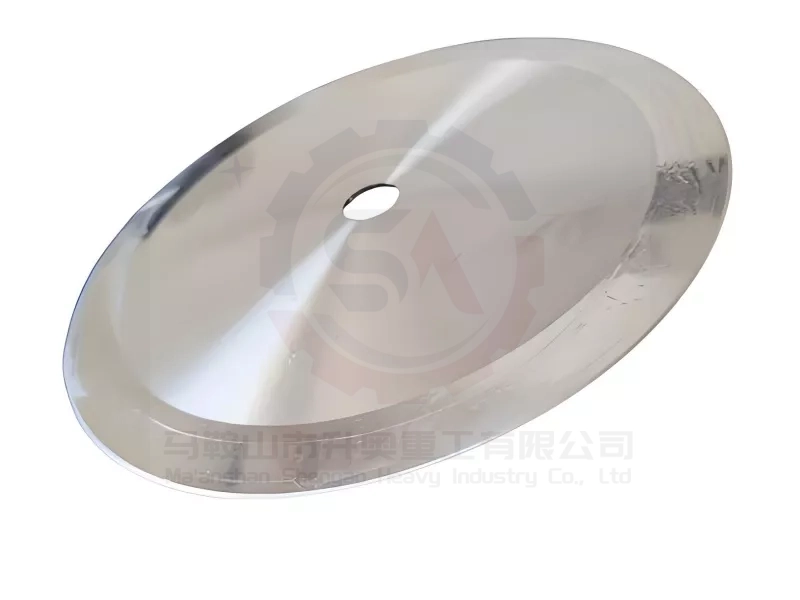
For applications where visible inspection is frequent, investing in longer-lasting blades like professional cutting blade solutions made from superior materials pays off in reduced changeover frequency.
Final Thoughts
Proactively recognizing the five key signs—poor edge quality, machine strain, increased waste, abnormal sounds, and visible damage—transforms your blade management from reactive to strategic. Replacing slitting blades before they fail completely is a minor cost that prevents major expenses: ruined material batches, damaged machinery, and prolonged downtime. It's an investment in consistent quality, operational efficiency, and total cost savings.
Don't wait for a breakdown to act. Establish a routine inspection schedule based on these signs. When it is time for replacement, partner with a manufacturer committed to precision and durability. ShengAo provides a full range of high-performance circular slitting blades, engineered from the right materials and built to exacting standards for longer life and reliable performance. Contact our experts today to find the perfect blade solution that minimizes these replacement signs and maximizes your productivity.